
Average Car Insurance Premium — Oklahoma
Free to compare
What Oklahoma Drivers Actually Pay
You're shopping for car insurance in Oklahoma and want to know what other drivers pay. The state's average annual auto insurance expenditure per insured vehicle is $947.24, according to 2023 data. That figure reflects the cost of insuring one vehicle on a standalone policy, not the effective per-vehicle rate when you insure multiple cars on the same policy.
If your household insures two or more vehicles, the multi-car discount lowers your effective cost per vehicle below the state average. The published average is a useful benchmark, but your actual premium depends on how many vehicles you insure, your driving record, the coverage you choose, and the carrier you select. Understanding what drives the difference helps you structure coverage that fits your household without overpaying.
“Multi-vehicle households pay less per vehicle than the state average once the multi-car discount applies, but only if every vehicle sits on one policy.”
Get More Than the Oklahoma Minimum for Less
Get My Oklahoma Car Insurance Quote$947.24
Oklahoma Annual Expenditure Per Vehicle
This is the average annual auto insurance expenditure per insured vehicle in Oklahoma for 2023. The figure reflects single-vehicle policies and does not account for multi-car discounts that lower the effective per-vehicle rate when you insure multiple cars on one policy.
2023 state insurance statistics
How the Multi-Car Discount Changes Your Rate
The multi-car discount applies when you insure two or more vehicles on the same policy. Most carriers require every vehicle to sit on one policy and share a garaging address. The discount lowers your total premium compared to insuring each vehicle separately, and it lowers your effective cost per vehicle below the state average.
A household insuring three vehicles on one policy pays less per vehicle than a household insuring one vehicle alone. The discount structure varies by carrier, but the principle holds: combining vehicles on one policy reduces your total cost. The state average of $947.24 per vehicle reflects standalone policies, so multi-vehicle households typically pay less per car once the discount applies.
When you add a vehicle to an existing policy, the carrier re-rates the entire policy rather than adding a flat amount. Your premium increases because you're insuring an additional vehicle, but the per-vehicle rate drops as the multi-car discount applies to the full policy. The total premium goes up; the effective cost per vehicle goes down.
The state average reflects single-vehicle policies. Multi-car households pay a different effective rate per vehicle once the discount applies, and carriers re-rate the entire policy when you add or remove a car.


How Many Vehicles You Insure Affects the Math
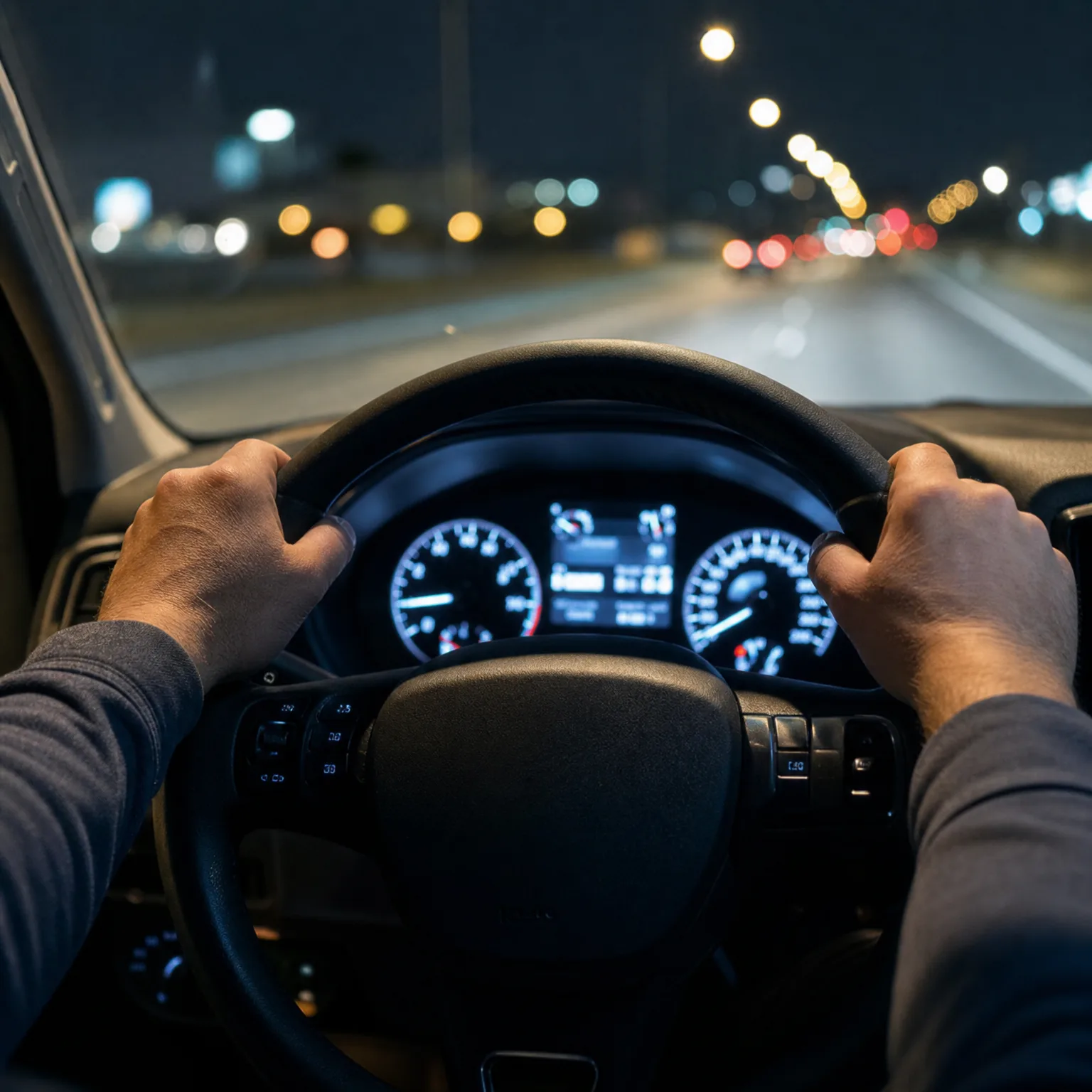
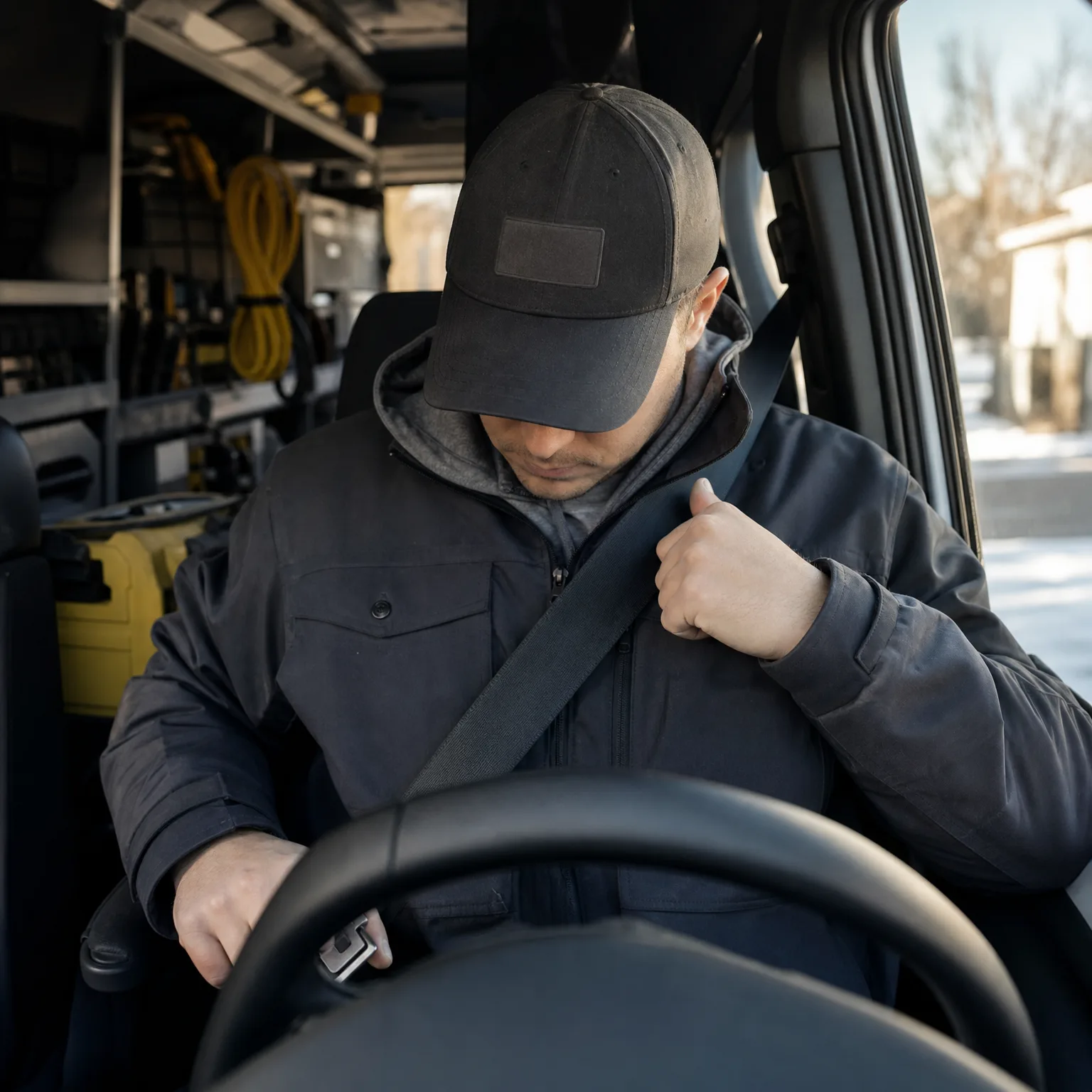
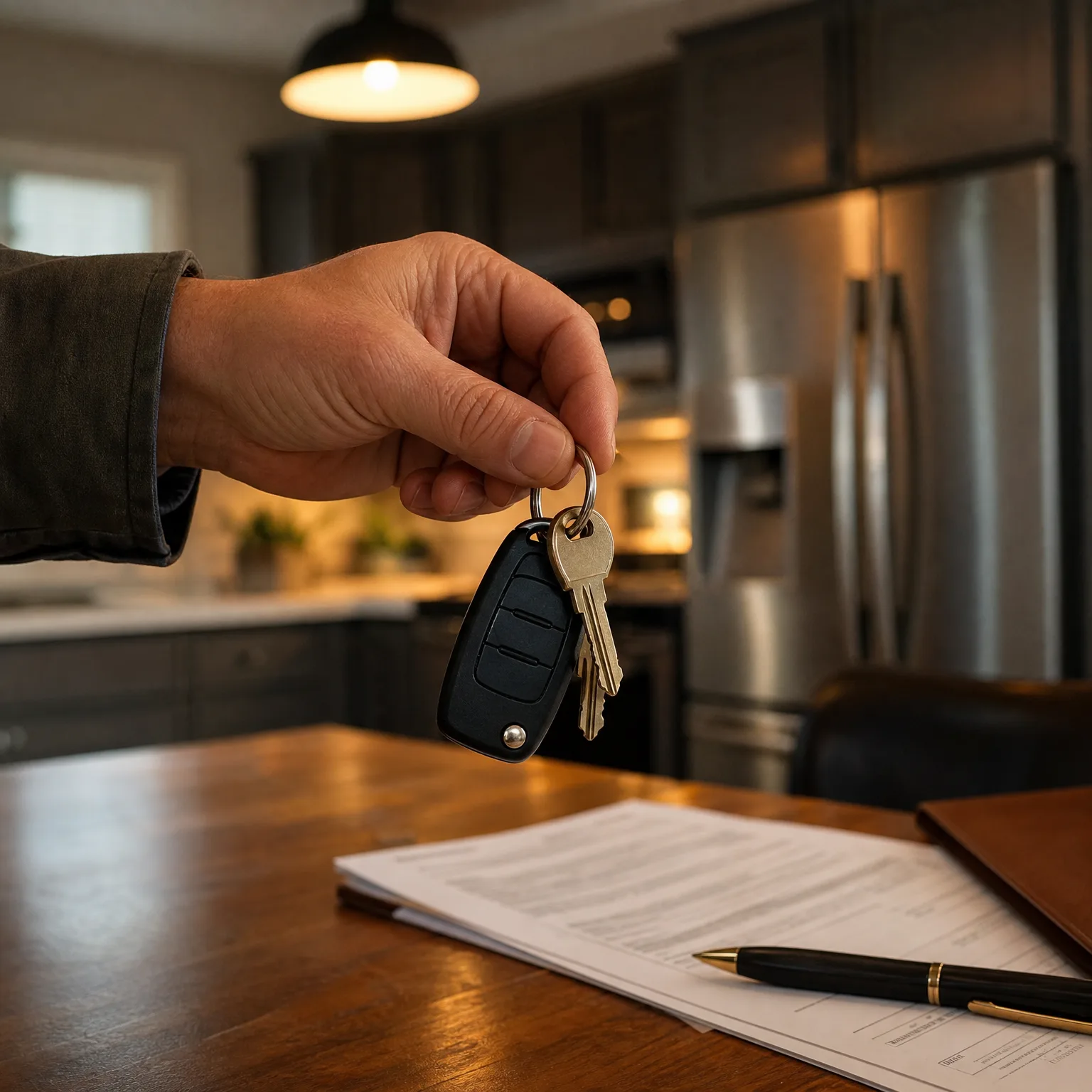
A household insuring two vehicles pays less per vehicle than a household insuring one. A household insuring four vehicles pays even less per vehicle, because the multi-car discount scales with the number of vehicles on the policy. The total premium increases as you add vehicles, but the effective per-vehicle rate drops.
The state average of $947.24 per vehicle does not account for this scaling effect. The multi-car discount is the reason. Carriers that write policies for households with three or more vehicles often offer deeper discounts than carriers that focus on single-vehicle policies.
When you compare carriers, ask for a quote that includes every vehicle in your household on one policy. A quote for one vehicle does not tell you what you'll pay per vehicle when you add the second and third. The multi-car discount only applies when every vehicle sits on the same policy, so splitting vehicles across separate policies eliminates the discount and raises your total cost.
25/50/25
Oklahoma Minimum Liability Limits
Oklahoma requires $25,000 per person for bodily injury, $50,000 per accident for bodily injury, and $25,000 for property damage. Meeting the minimum costs less than carrying full coverage, but it leaves you financially exposed if you cause an accident that exceeds these limits.
Oklahoma auto insurance state data
Carriers That Write Multi-Vehicle Policies in Oklahoma
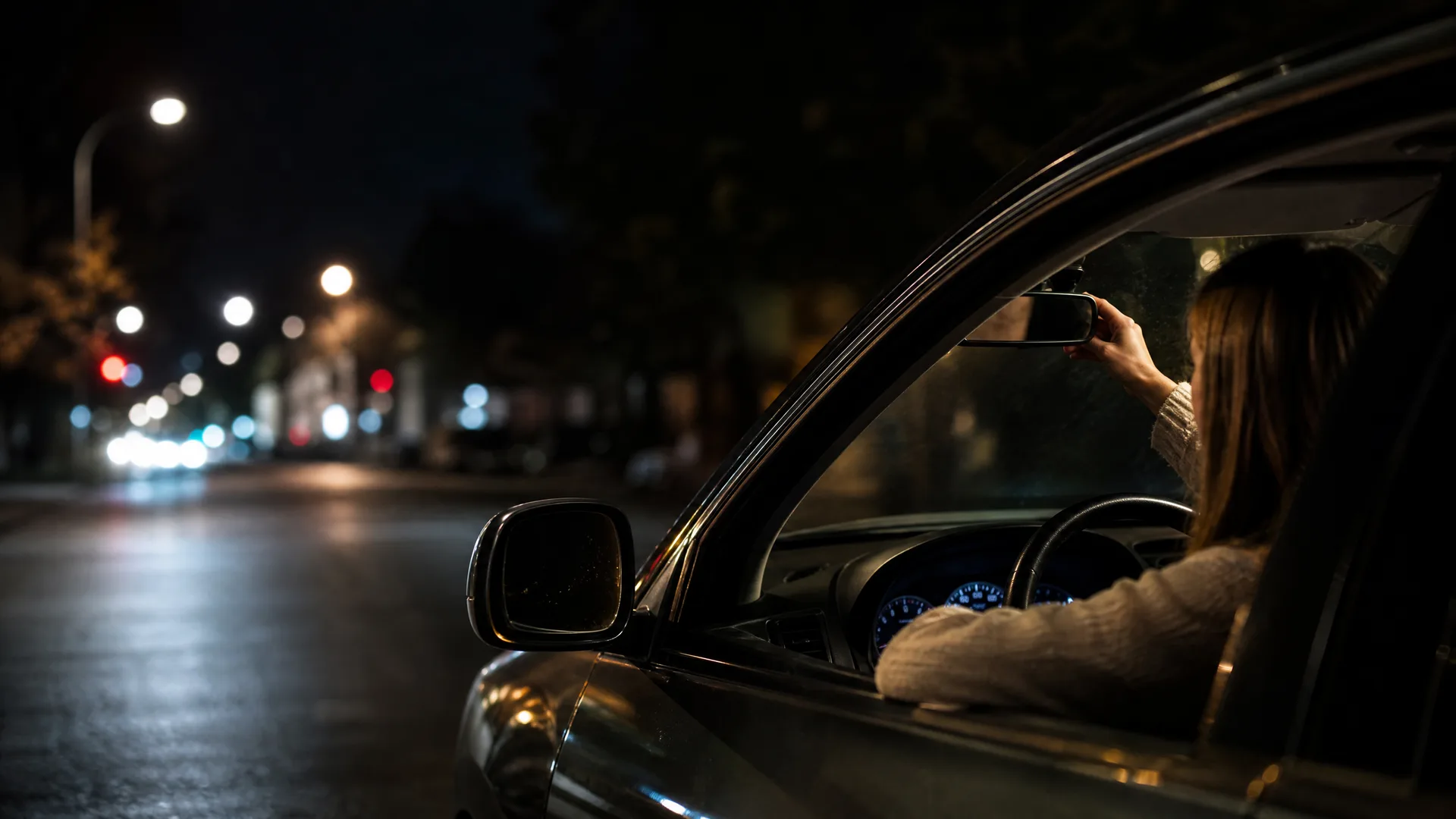
Not every carrier writes multi-vehicle policies in Oklahoma, and not every carrier that does offers the same discount structure. Geico, Progressive, State Farm, Allstate, Farmers, and USAA all write multi-vehicle policies in the state. Geico and Progressive offer online quotes for multi-car households. State Farm requires an agent but writes policies for households with three or more vehicles. USAA serves military-affiliated households and writes multi-vehicle policies with competitive rates for that audience.
Bristol West, The General, and National General write non-standard auto insurance in Oklahoma and accept multi-vehicle households, but their pricing reflects higher-risk profiles. If your household includes a driver with a recent violation or a suspended license, these carriers may be your only option. Mercury General and GAINSCO also write in Oklahoma and accept multi-vehicle policies. Compare at least three carriers that write your household's vehicle count and driver profile before choosing.
Compare Carriers for Your Household
The state average of $947.24 per vehicle is a benchmark, not a quote. Your actual premium depends on how many vehicles you insure, the coverage you choose, and the carrier you select. Multi-vehicle households pay less per vehicle than the state average once the multi-car discount applies, but only if every vehicle sits on one policy.
Get quotes from at least three carriers that write multi-vehicle policies in Oklahoma. Provide the same vehicle count, driver information, and coverage selections to each carrier so you can compare accurately. The carrier with the lowest rate for one vehicle may not have the lowest rate for three vehicles, because discount structures vary. Compare Oklahoma carriers that write multi-vehicle policies and structure coverage that fits your household without overpaying.
What Drives Your Premium in Oklahoma
Oklahoma law requires minimum liability coverage of $25,000 per person for bodily injury, $50,000 per accident for bodily injury, and $25,000 for property damage. Meeting the minimum costs less than carrying full coverage, which adds collision and comprehensive. Your choice between minimum and full coverage is the single largest factor in your premium. Drivers who own their vehicles outright and choose minimum liability pay significantly less than drivers who finance and carry full coverage.
Your driving record, age, credit score (where lawful), and location within Oklahoma also affect your rate. Carriers price risk differently, so the same driver with the same vehicles receives different quotes from different carriers. Oklahoma has 12% uninsured motorists, which raises the risk pool and affects pricing across the state. Comparing multiple carriers that write multi-vehicle policies in Oklahoma is the only way to find the lowest rate for your household.
Get Your Free Quote
Get My Oklahoma Car Insurance QuoteFrequently Asked Questions
What is the average car insurance cost in Oklahoma?
The average annual auto insurance expenditure per insured vehicle in Oklahoma is $947.24 as of 2023. This figure reflects single-vehicle policies and does not account for multi-car discounts that lower the effective per-vehicle rate when you insure multiple cars on one policy.
How much does insuring multiple cars in Oklahoma cost?
Multi-vehicle households in Oklahoma pay less per vehicle than the state average of $947.24 once the multi-car discount applies. The total premium increases as you add vehicles, but the effective per-vehicle rate drops because the discount scales with the number of vehicles on the policy.
What is the minimum car insurance required in Oklahoma?
Oklahoma requires minimum liability coverage of $25,000 per person for bodily injury, $50,000 per accident for bodily injury, and $25,000 for property damage. Meeting the minimum costs less than carrying full coverage, but it leaves you financially exposed if you cause an accident that exceeds these limits.
Which carriers offer multi-car discounts in Oklahoma?
Geico, Progressive, State Farm, Allstate, Farmers, and USAA all write multi-vehicle policies in Oklahoma and offer multi-car discounts. Discount structures vary by carrier, so compare at least three carriers that write your household's vehicle count and driver profile before choosing.
Does the multi-car discount apply if I have vehicles on separate policies?
No. The multi-car discount only applies when every vehicle sits on the same policy. Splitting vehicles across separate policies eliminates the discount and raises your total cost. Most carriers also require every vehicle to share a garaging address to qualify for the discount.
How does adding a vehicle to my policy affect my premium?
When you add a vehicle to an existing policy, the carrier re-rates the entire policy rather than adding a flat amount. Your total premium increases because you're insuring an additional vehicle, but the per-vehicle rate drops as the multi-car discount applies to the full policy.