Auto Insurance Rates — Oklahoma
Free to compare
The Multi-Car Premium Question in Oklahoma
You own two or three vehicles, you're shopping for coverage in Oklahoma, and you need to know what driving the household's premium up or down. The state's $25,000 per person, $50,000 per accident bodily injury, and $25,000 property damage minimum liability requirements are the floor — but the structure of your policy, not just the coverage levels, determines what you pay.
Oklahoma households adding a second or third vehicle to an existing policy trigger a full policy re-rate, not a simple add-on charge. The multi-car discount applies when every vehicle sits on the same policy, but that same-policy requirement means the carrier recalculates the entire household's risk profile — driver assignments, garaging address, vehicle use — every time the vehicle count changes. The premium for three cars is not the premium for two cars plus one-third more.
“Adding a vehicle to an existing Oklahoma policy re-rates every vehicle on that policy — the carrier recalculates the household's entire risk profile.”

Get More Than the Oklahoma Minimum for Less
Get My Oklahoma Car Insurance Quote$947.24
Oklahoma Average Annual Auto Expenditure Per Vehicle
This 2023 figure represents the average annual expenditure per insured vehicle across all Oklahoma drivers, regardless of household size or vehicle count. Your household's actual cost depends on how many vehicles share the policy and how the multi-car discount applies.
Oklahoma Insurance Department, 2023 market data
How Oklahoma's Liability Minimums Apply Across Multiple Vehicles
Oklahoma's $25,000/$50,000/$25,000 minimum liability requirement applies per policy, not per vehicle. A household with three cars on one policy carries one set of liability limits that cover any vehicle the policy lists. You do not buy separate $25,000/$50,000/$25,000 coverage for each car — the policy's bodily injury and property damage limits apply regardless of which vehicle you're driving when a claim occurs.
This structure matters when you compare the cost of insuring multiple vehicles on one policy versus splitting them across separate policies. Separate policies mean separate liability limits, separate premiums, and no multi-car discount. One shared policy means shared limits, one premium with the multi-car discount applied, and one renewal cycle. Most Oklahoma households pay less with every vehicle on the same policy, but the re-rate when adding a vehicle can surprise drivers who expect incremental pricing.
The state does not require uninsured motorist coverage or personal injury protection, but 12% of Oklahoma drivers are uninsured — the sixth-highest rate nationally as of 2023. Adding uninsured motorist coverage to a multi-car policy increases the premium, but the increase applies once to the policy, not per vehicle. The same principle holds for comprehensive and collision: you select a deductible and coverage level for each vehicle individually, but the multi-car discount reduces the combined premium below what separate policies would cost.
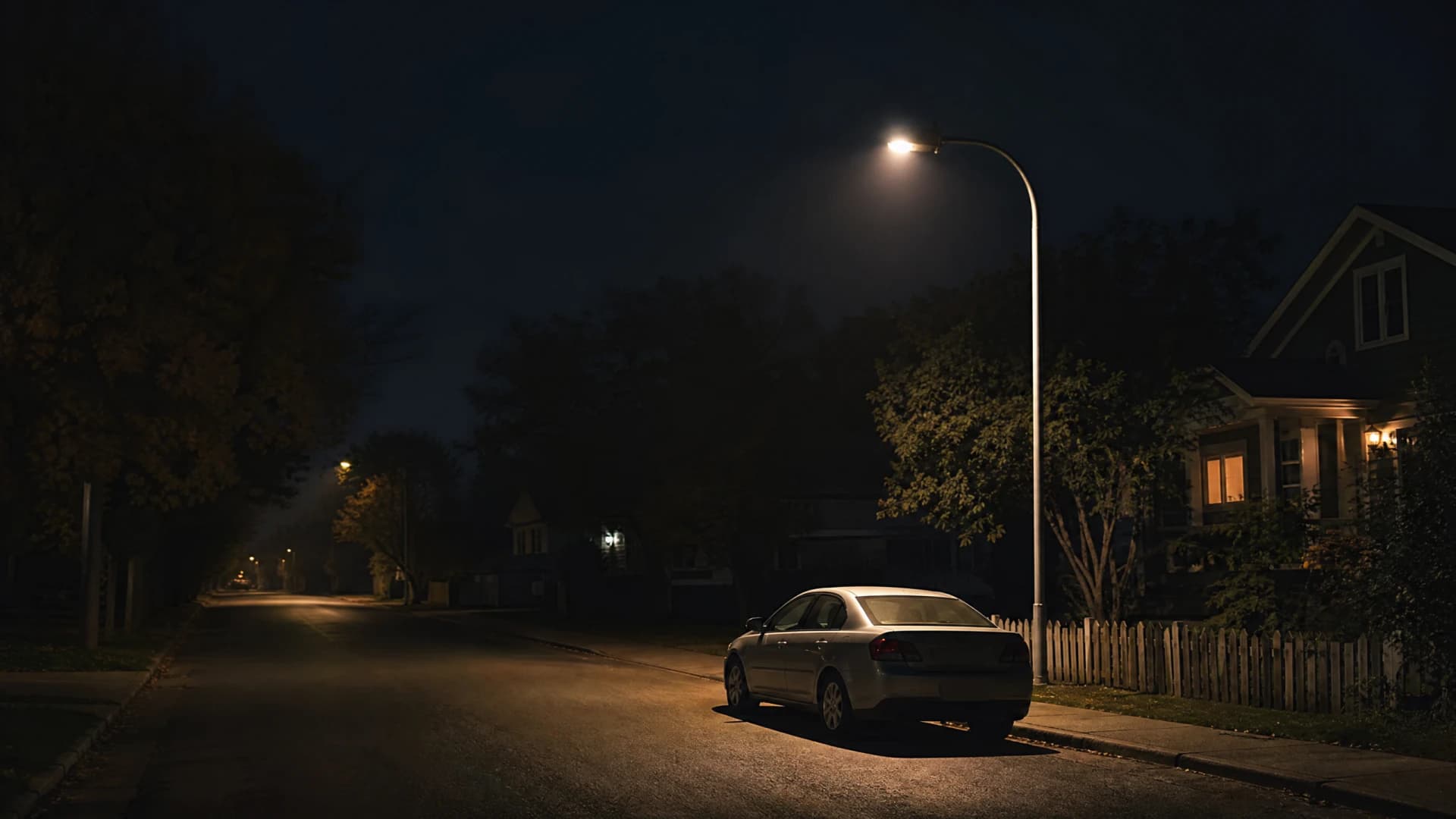
Adding a vehicle to an existing Oklahoma policy re-rates every vehicle on that policy — the carrier recalculates the household's entire risk profile, not just the new car's cost.



How the Multi-Car Discount Works in Oklahoma
The multi-car discount requires every vehicle to sit on the same policy. Oklahoma carriers apply the discount to the total premium after calculating each vehicle's individual cost. The discount does not apply per vehicle — it reduces the combined premium for the household. A household adding a third vehicle sees the discount applied to all three vehicles together, not just the new one.
Carriers writing Oklahoma multi-car policies include Geico, Progressive, State Farm, Farmers, Allstate, Liberty Mutual, and Mercury General. Each carrier calculates the discount differently, and the size of the discount varies by household structure. A household with two vehicles and two drivers typically sees a smaller discount than a household with three vehicles and one driver, because the carrier views the single-driver household as lower risk — fewer driver-vehicle pairings mean fewer claim opportunities.
The discount applies at policy inception and at every renewal. Adding a vehicle mid-term triggers a re-rate that includes the discount, but the new premium reflects the entire household's updated risk profile. Removing a vehicle from the policy also triggers a re-rate, and the discount remains in place as long as at least two vehicles stay on the policy. Dropping to one vehicle removes the discount entirely.
12%
Oklahoma Uninsured Motorist Rate
One in eight Oklahoma drivers carries no insurance, the sixth-highest uninsured rate in the U.S. as of 2023. Multi-car households adding uninsured motorist coverage pay one incremental cost for the policy, not per vehicle, making it a lower-cost addition than most drivers expect.
Insurance Research Council, 2023
Comparing Carriers for Multi-Vehicle Oklahoma Households
Carriers writing Oklahoma multi-car policies differ in how they weight household factors. Geico and Progressive offer online quoting and rate households with multiple vehicles competitively when all drivers have clean records. State Farm and Farmers write households with mixed driving records — one clean driver, one with a ticket or minor at-fault claim — and apply the multi-car discount after adjusting for the higher-risk driver. Mercury General and Liberty Mutual write Oklahoma policies and compete on households with older vehicles or higher mileage.
Bristol West, The General, GAINSCO, and National General write non-standard Oklahoma policies for households where one or more drivers carry points, recent violations, or lapses in prior coverage. These carriers apply the multi-car discount, but the base rate reflects the higher-risk profile. A household with three vehicles and one driver with a recent DUI pays more than a clean-record household, but consolidating all three vehicles on one non-standard policy still costs less than splitting them across separate policies or leaving one vehicle uninsured.
When to Combine Policies and When to Keep Them Separate
Most Oklahoma households pay less with every vehicle on one policy, but two situations favor separate policies. First, when one household member's driving record is significantly worse than the others' — a recent DUI, multiple at-fault claims, or a suspended license — isolating that driver on a separate non-standard policy can keep the other vehicles on a standard-tier policy at a lower combined cost. Second, when household members live at different addresses — a college student with a car at school, a vehicle garaged at a second property — some carriers require separate policies because the garaging addresses differ.
Combining policies after marriage or when a household member moves in triggers a full re-rate. The carrier evaluates the combined household's risk profile and applies the multi-car discount to the new total. The combined premium is usually lower than the sum of the two separate premiums, but not always — if one spouse carries a poor driving record or a high-risk vehicle, the combined rate can exceed the separate-policy total. Request quotes for both structures before combining.
Oklahoma carriers verify coverage electronically through the Oklahoma Collision Industry Verification System. The state does not require physical proof-of-insurance cards, but carriers issue them and law enforcement can request them during traffic stops. A multi-car policy generates one proof-of-insurance document listing every vehicle. Keep a copy in each vehicle or store the digital version on your phone — the document covers all vehicles on the policy, but you need it accessible in whichever car you're driving.

Compare Oklahoma Carriers Writing Multi-Car Policies
Oklahoma households insuring multiple vehicles benefit most from comparing carriers that write their specific vehicle count and driver profile. The multi-car discount applies across every carrier, but the base rate and the discount size vary. A household with three vehicles and clean records may find the lowest total premium with Geico or Progressive. A household with mixed records — one driver with a ticket, one without — may pay less with State Farm or Farmers. A household with older vehicles or higher mileage may find Mercury General or Liberty Mutual more competitive. Use the site's comparison tool to request quotes from carriers writing your household structure, compare the post-discount premiums, and select the policy that fits your vehicles and drivers.
What Drives Multi-Car Premium Differences in Oklahoma
Driver assignment is the largest single factor. Oklahoma carriers assign each vehicle to a primary driver and rate that pairing based on the driver's age, driving record, and claims history. A household with two vehicles and two drivers — one with a clean record, one with a speeding ticket — pays more when the ticketed driver is assigned to the newer or higher-value vehicle. Reassigning drivers at renewal can lower the premium if the cleaner-record driver takes the higher-risk vehicle.
Garaging address shapes the rate through ZIP-code-level risk scoring. Oklahoma City, Tulsa, and Norman show higher theft rates and collision frequency than rural counties. A household garaging three vehicles at the same address in Oklahoma County pays more than the same household in a lower-density county, even with identical coverage. The multi-car discount applies after the base rate is calculated, so a higher-risk ZIP code increases the pre-discount premium and the post-discount result alike.
Get Your Free Quote
Get My Oklahoma Car Insurance QuoteFrequently Asked Questions
Does Oklahoma require the same liability limits for every vehicle on a multi-car policy?
Oklahoma's $25,000/$50,000/$25,000 minimum liability requirement applies per policy, not per vehicle. One set of limits covers every vehicle the policy lists. You do not buy separate liability coverage for each car.
How does adding a third vehicle to an Oklahoma policy change the premium?
Adding a third vehicle triggers a full policy re-rate. The carrier recalculates the entire household's risk profile — driver assignments, garaging address, vehicle use — and applies the multi-car discount to the new total. The premium for three cars is not the two-car premium plus one-third more.
Can I keep two vehicles on one Oklahoma policy and a third on a separate policy?
Yes, but you lose the multi-car discount on the vehicle sitting alone. Most Oklahoma households pay less with every vehicle on one policy. Separate policies make sense only when one driver's record is significantly worse or when vehicles garage at different addresses.
Do all Oklahoma carriers offer the same multi-car discount?
No. Every carrier writing Oklahoma multi-car policies applies a discount, but the size varies by carrier and household structure. Geico, Progressive, State Farm, Farmers, and Mercury General all compete on multi-car households, but their base rates and discount calculations differ.
Does Oklahoma require uninsured motorist coverage on a multi-car policy?
No. Oklahoma does not mandate uninsured motorist coverage, but 12% of Oklahoma drivers are uninsured. Adding uninsured motorist coverage to a multi-car policy increases the premium once for the policy, not per vehicle, making it a lower-cost addition than most drivers expect.
What happens to the multi-car discount if I remove one vehicle from my Oklahoma policy?
Removing a vehicle triggers a re-rate, and the multi-car discount remains as long as at least two vehicles stay on the policy. Dropping to one vehicle removes the discount entirely and increases the per-vehicle cost.