Cheap Car Insurance in Oklahoma — Multi-Vehicle Households
Free to compare
The Multi-Car Premium Question Oklahoma Households Face
You own two or more vehicles, each currently insured separately or about to be added to your household, and you want to know whether combining them on one policy saves money or costs more. The answer depends on how Oklahoma's $25,000 per person, $50,000 per accident bodily injury, and $25,000 property damage minimums apply across multiple cars, and whether the carriers writing your vehicles offer a multi-car discount that actually reduces the combined premium.
Most households assume each car's premium adds linearly to the total. In practice, carriers price multi-vehicle policies by applying the multi-car discount to the combined base rate, which almost always produces a lower total than two separate policies covering the same vehicles. The structural reality: the discount exists only when every vehicle sits on the same policy, garaged at the same address, and titled to household members the policy covers.
“The multi-car discount applies at the policy level, not the vehicle level—splitting cars across two policies costs more than combining them.”

Get More Than the Oklahoma Minimum for Less
Get My Oklahoma Car Insurance Quote$25,000/$50,000/$25,000
Oklahoma Minimum Liability Per Vehicle
Every vehicle you register in Oklahoma must carry at least $25,000 bodily injury per person, $50,000 per accident, and $25,000 property damage. These minimums apply per vehicle, not per household, so a two-car household needs two policies meeting these floors or one combined policy covering both cars at these limits.
Oklahoma statutes Title 47
How the Multi-Car Discount Actually Works in Oklahoma
The multi-car discount is not a flat percentage applied to each vehicle. Carriers calculate a base premium for the household's first vehicle, then apply a reduced rate to the second and subsequent vehicles when all cars sit on the same policy. The discount reflects reduced administrative cost and the statistical reality that multiple cars in one household do not double the carrier's risk proportionally.
Oklahoma carriers writing multi-vehicle policies typically require every vehicle to be garaged at the same address and titled to a household member listed on the policy. A car titled to someone outside the household, or garaged at a different address, may not qualify for the same-policy discount even if you want to insure it. This is the structural blocker most households miss when they try to combine policies after marriage or when a household member moves in with a car of their own.
The discount applies at the policy level, not the vehicle level. If you split your cars across two policies, you lose the discount on both. Combining two existing policies into one almost always lowers the total premium, but the savings depend on the vehicles' base rates, the drivers assigned to each car, and the coverage levels you select for each vehicle on the combined policy.
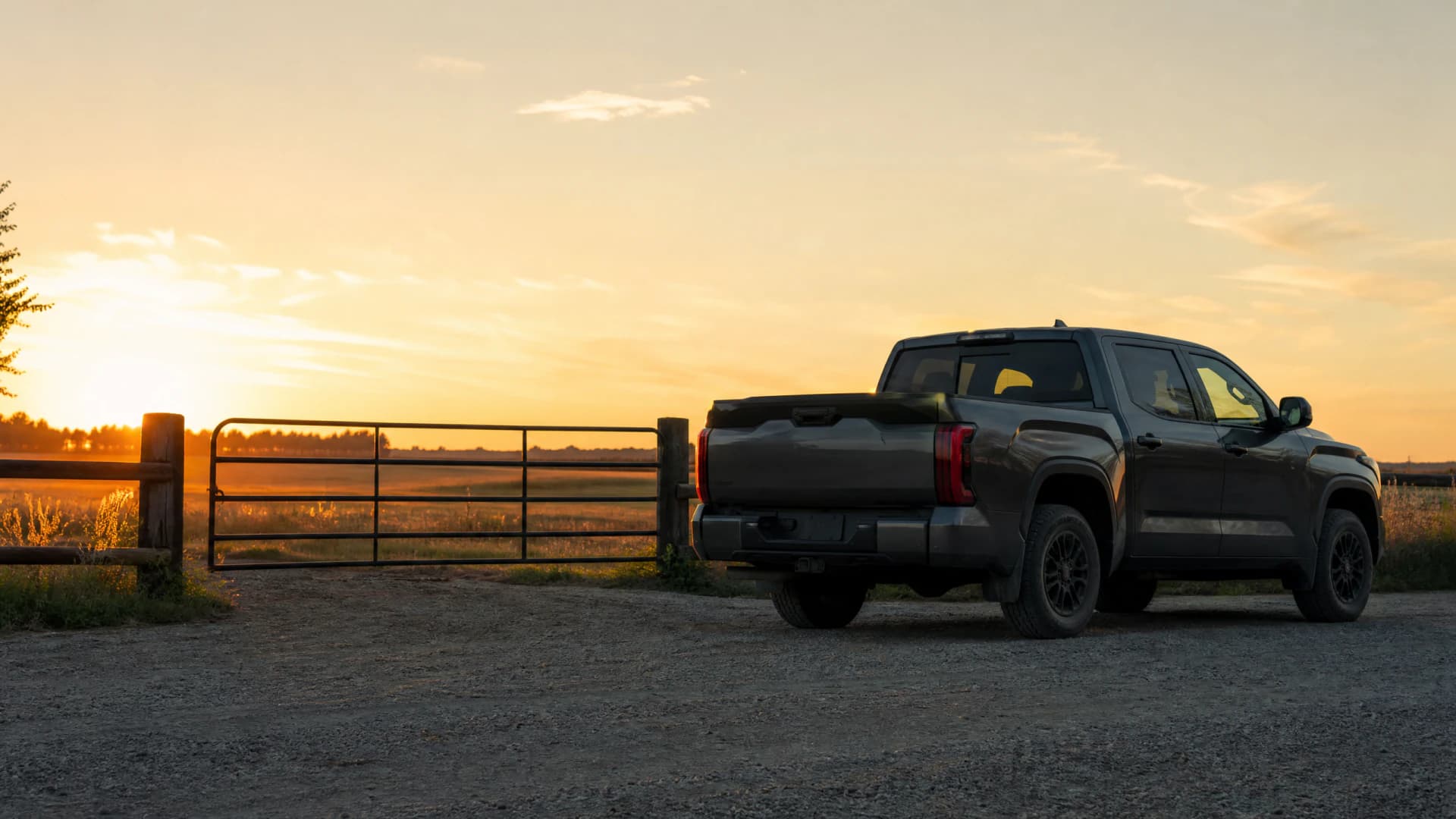
The multi-car discount requires every vehicle on one policy. Splitting cars across two policies costs more than combining them, even when base rates differ by vehicle.





How Adding a Vehicle Mid-Term Changes Your Premium
Adding a vehicle to an existing policy does not simply add a flat amount to your current premium. Carriers re-rate the entire policy when you add a car, recalculating the base rate for every vehicle and applying the multi-car discount to the new combined total. The result: your premium increases by less than the new vehicle's standalone rate would suggest, because the discount now applies to more vehicles.
Oklahoma carriers typically provide a grace period during which a newly-purchased vehicle is covered under your existing policy without formal notification. This grace period varies by carrier, commonly 14 to 30 days. After the grace period expires, an unreported vehicle loses coverage, and a claim filed for that car can be denied. The procedural path: notify your carrier within the grace period, provide the VIN and title information, and confirm the new vehicle appears on your policy declarations page before the grace period ends.
Re-rating the policy when you add a vehicle can change the premium for your existing cars, not just the new one. Carriers recalculate the household's risk profile based on the new vehicle's make, model, year, and assigned driver. A high-value or high-performance vehicle added to the policy can increase the base rate for the entire household, while a low-value or older vehicle may lower it. This is the structural reality households miss when they assume the new car's premium simply adds to the current total.
12%
Oklahoma Uninsured Motorist Rate
Twelve percent of Oklahoma motorists drive without insurance. Multi-car households face higher exposure to uninsured-motorist claims because more vehicles mean more collision opportunities. Uninsured motorist coverage is optional in Oklahoma but protects every vehicle on the policy when an at-fault driver carries no insurance.
Insurance Research Council 2023

Combining Two Policies After Marriage or a Move
When two household members each carry a separate policy and want to combine them, the structural question is which policy to keep and which to cancel. Carriers do not merge two policies automatically. One spouse or household member cancels their existing policy and adds their vehicle to the other's policy as a new vehicle. The carrier re-rates the combined policy based on both vehicles, both drivers, and the household's combined driving history.
The combined premium is almost always lower than the sum of the two separate premiums, but not always. The savings depend on the base rates each carrier charged for the individual policies, the coverage levels each policy carried, and the driving records of both household members. A household where one member carries a violation or a high-risk vehicle may see a smaller combined discount, or in rare cases a higher combined premium, because the carrier re-rates the entire household as one risk pool. The procedural path: request quotes from both existing carriers for a combined policy, compare the combined premium to the sum of the current separate premiums, and select the carrier offering the lowest combined rate.
Which Oklahoma Carriers Write Multi-Vehicle Policies
Oklahoma carriers writing multi-vehicle policies include Allstate, Bristol West, Farmers, GAINSCO, Geico, Liberty Mutual, Mercury General, National General, Progressive, State Farm, The General, and Travelers. Not every carrier offers the same multi-car discount structure, and not every carrier writes all vehicle types. High-value vehicles, classic cars, and commercial-use vehicles may require a separate policy even within a multi-car household.
Carriers differ in how they calculate the multi-car discount and which vehicles qualify. Some carriers apply a larger discount to the second vehicle and a smaller discount to the third and fourth. Others apply a flat discount to every vehicle after the first. The structural path: request quotes from at least three carriers writing your vehicle count, compare the combined premium for all vehicles on one policy, and confirm every vehicle you own qualifies for the same-policy discount under that carrier's rules. The carrier roster above represents carriers licensed and writing in Oklahoma; not all write every vehicle type or every driver profile.
Compare Carriers Writing Your Vehicle Count
The next step is to request quotes from carriers writing multi-vehicle policies in Oklahoma, confirm every vehicle you own qualifies for the same-policy discount, and compare the combined premium to your current separate-policy total. Carriers price multi-car policies differently, and the lowest combined rate varies by household. The comparison tool on this site connects you to carriers writing your vehicle count and coverage needs, structured around Oklahoma's $25,000/$50,000/$25,000 minimums and the multi-car discount requirements carriers enforce.
What Oklahoma Carriers Require for Multi-Car Policies
Every vehicle must be garaged at the same address. Carriers define garaging address as the location where the vehicle is parked overnight most nights of the year. A car garaged at a second home, a college campus, or a work location may not qualify for the same-policy discount even if the household owns it. Carriers verify garaging address at policy inception and renewal, and a vehicle garaged elsewhere typically requires a separate policy.
Every vehicle must be titled to a household member listed on the policy. A car titled to someone outside the household, or titled to a household member the policy does not cover, does not count toward the multi-car discount. This is the structural blocker households face when combining policies after marriage or when a household member moves in with a car titled in their name alone. The solution: re-title the vehicle to a covered household member, or add the title-holder to the policy as a listed driver.
Get Your Free Quote
Get My Oklahoma Car Insurance QuoteFrequently Asked Questions
Does the multi-car discount apply if my cars are titled to different household members?
The discount applies only when every vehicle is titled to a household member listed on the policy. A car titled to someone outside the household, or titled to a household member the policy does not cover, does not qualify for the same-policy discount. Re-title the vehicle to a covered household member, or add the title-holder to the policy as a listed driver.
How much does adding a second car to my Oklahoma policy increase my premium?
Adding a second car re-rates the entire policy, not just the new vehicle. The increase is typically less than the new car's standalone rate would suggest, because the multi-car discount now applies to both vehicles. The exact increase depends on the new vehicle's make, model, year, and assigned driver.
Can I keep two separate policies for my two cars in Oklahoma?
You can keep two separate policies, but you lose the multi-car discount on both. Combining both cars on one policy almost always costs less than two separate policies covering the same vehicles, even when base rates differ by vehicle.
What happens if I add a car to my policy after the grace period expires?
After the grace period expires, an unreported vehicle loses coverage, and a claim filed for that car can be denied. Notify your carrier within the grace period, provide the VIN and title information, and confirm the new vehicle appears on your policy declarations page before the grace period ends.
Do all Oklahoma carriers offer the same multi-car discount?
Carriers differ in how they calculate the multi-car discount and which vehicles qualify. Some apply a larger discount to the second vehicle and a smaller discount to the third and fourth; others apply a flat discount to every vehicle after the first. Request quotes from at least three carriers writing your vehicle count and compare the combined premium.