
Auto Insurance Coverages Oklahoma Drivers Should Understand — Oklahoma
Free to compare
The Coverage Decision for Multi-Vehicle Oklahoma Households
You own two or more cars in Oklahoma, and you're trying to figure out which coverages belong on your policy and which ones you can leave off. The state requires liability insurance to register and drive legally, but carriers offer a dozen other coverages with names that sound similar and purposes that overlap. You need to know which coverages the state mandates, which ones protect your household's assets when you have multiple vehicles at risk, and which ones cost more than they're worth for your situation.
Oklahoma law draws a clear line between what you must carry and what you choose to add. The state requires liability coverage at minimum limits of $25,000 per person, $50,000 per accident for bodily injury, and $25,000 for property damage. Personal injury protection and uninsured motorist coverage are optional in Oklahoma, not mandatory. Every other coverage on your policy—collision, comprehensive, rental reimbursement, roadside assistance—is a choice you make based on your household's vehicle values, savings, and risk tolerance.
“Liability covers damage you cause to others, not your own vehicles—even when you insure multiple cars on one policy.”
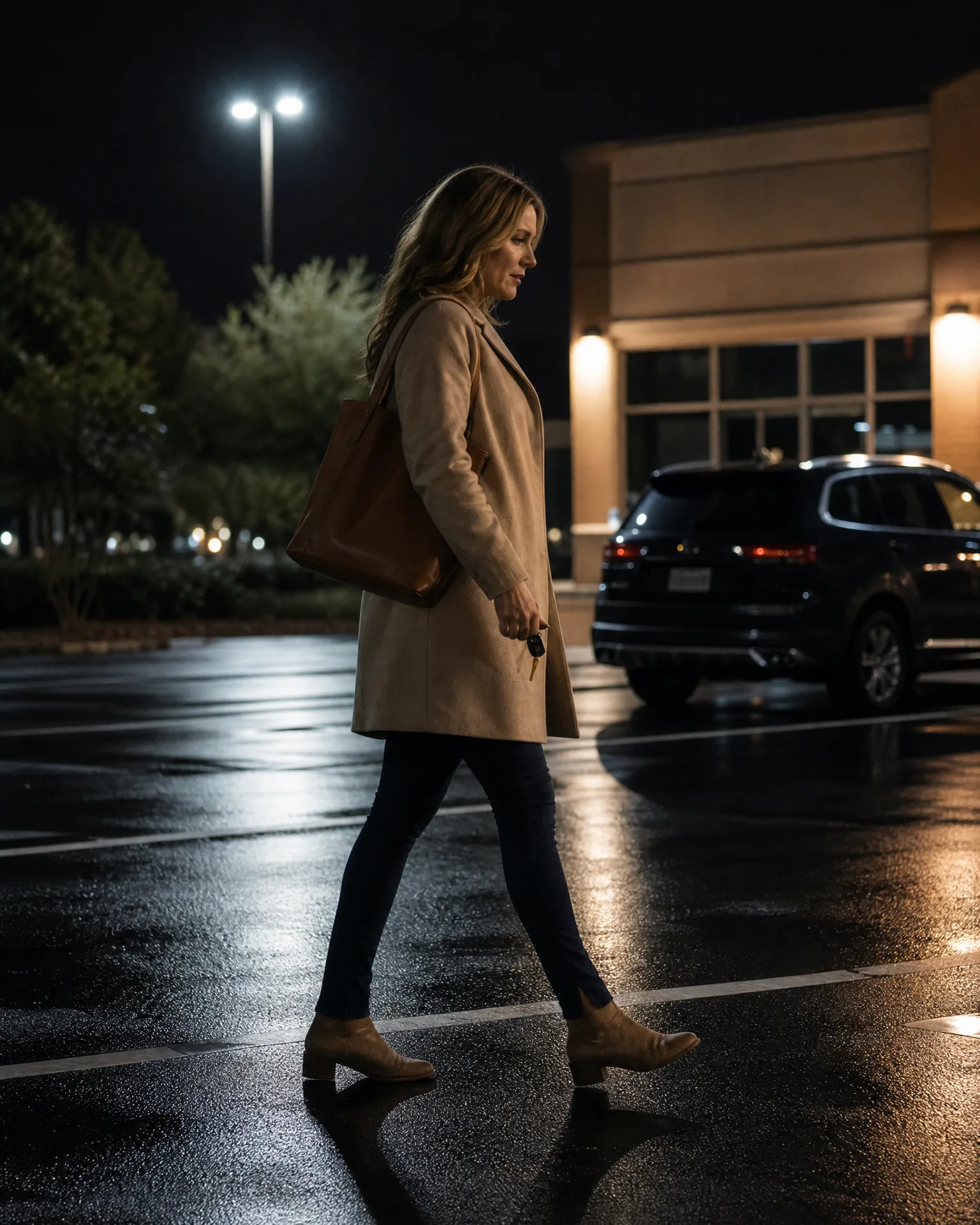
Get More Than the Oklahoma Minimum for Less
Get My Oklahoma Car Insurance Quote25/50/25
Oklahoma Liability Minimums
Oklahoma requires $25,000 bodily injury per person, $50,000 per accident, and $25,000 property damage. These limits apply to damage you cause to others, not to your own vehicles or injuries.
Oklahoma statutes Title 47
Liability Coverage: What the State Requires and What It Actually Pays For
Liability insurance is the only coverage Oklahoma law requires. It pays for damage you cause to other people and their property when you're at fault in an accident. The state's minimum limits—$25,000 per person for bodily injury, $50,000 per accident, and $25,000 for property damage—are the floor, not a recommendation. If you cause an accident that injures multiple people or totals an expensive vehicle, the minimum limits can be exhausted quickly, and you pay the remainder out of pocket.
When you insure multiple vehicles on one policy, every car on the policy shares the same liability limits. Adding a second or third vehicle does not multiply your liability coverage. Households with multiple vehicles and significant assets often carry higher liability limits—50/100/50 or 100/300/100—because the cost difference is small relative to the protection gained.
Liability coverage does not pay for damage to your own vehicles. If you're at fault in an accident, liability pays the other driver's repair bill, not yours. To cover your own cars, you need collision and comprehensive coverage, which are optional and priced separately per vehicle.
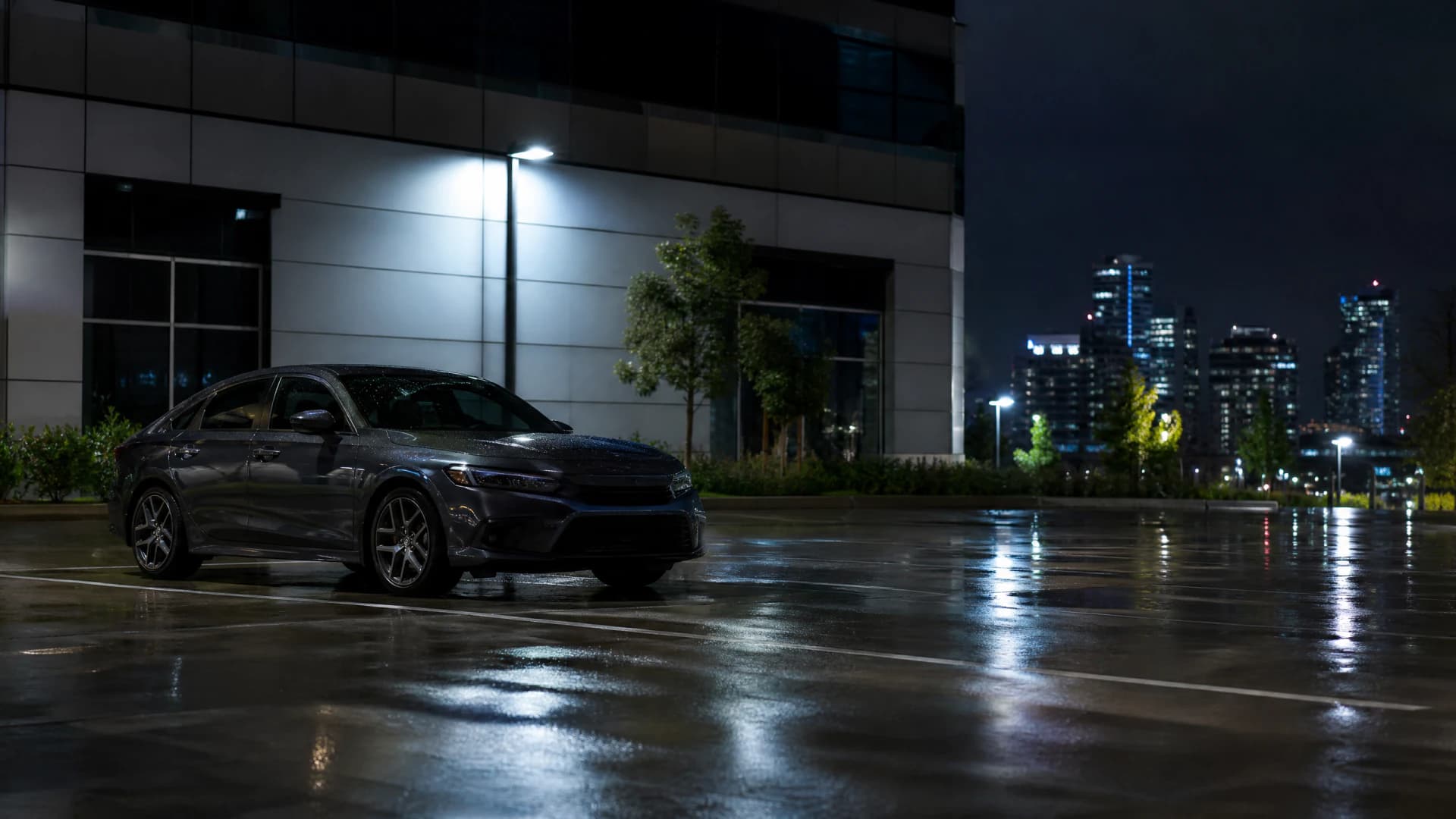
Liability covers damage you cause to others. It does not repair your own vehicles, even when you have multiple cars on the policy.
Related Articles



Collision and Comprehensive: When They Make Sense for Multiple Vehicles
Collision coverage pays to repair your vehicle after an accident, regardless of who was at fault. Comprehensive coverage pays for damage from non-collision events: theft, hail, vandalism, fire, flood, and animal strikes. Both coverages are optional in Oklahoma, and both are priced per vehicle. When you add a second or third car to your policy, each vehicle's collision and comprehensive premium is calculated separately based on that car's value, age, and repair cost.
The decision to carry collision and comprehensive on each vehicle depends on the vehicle's value and your household's ability to replace it without insurance. A common rule of thumb: if the vehicle is worth less than ten times the annual collision and comprehensive premium, the coverage costs more than it's worth over the vehicle's remaining life. For a household with three vehicles, you might carry full coverage on the two newer cars and drop collision and comprehensive on the oldest one, saving several hundred dollars per year while keeping liability and uninsured motorist protection in place on all three.
Deductibles apply per vehicle, per incident. If hail damages two of your household's cars in the same storm, you pay the comprehensive deductible twice—once for each vehicle. Choosing a higher deductible lowers your premium but increases your out-of-pocket cost when a claim happens. Households with emergency savings often choose $1,000 deductibles to reduce the annual premium; households without savings cushion choose $500 or lower to keep the claim cost manageable.
12%
Oklahoma Uninsured Motorist Rate
One in eight Oklahoma drivers operates without insurance. Uninsured motorist coverage protects your household when an at-fault driver cannot pay for the damage they cause.
Insurance Research Council, 2023
Personal Injury Protection and Medical Payments: Optional in Oklahoma
Personal injury protection and medical payments coverage both pay for medical expenses after an accident, regardless of fault. Oklahoma does not require either coverage. PIP is broader: it covers medical bills, lost wages, and sometimes funeral expenses and essential services. Medical payments coverage is simpler and cheaper: it pays only medical bills, up to the policy limit, with no wage replacement or other benefits.
When you carry health insurance with low deductibles and sick leave through your employer, PIP and medical payments add little value. When you lack health insurance or carry a high-deductible health plan, PIP can cover the gap between your health plan's deductible and your out-of-pocket maximum. For households with multiple drivers, PIP follows the people, not the vehicles.
Structuring Coverage Across Your Household's Vehicles
Oklahoma households with multiple vehicles often structure coverage in tiers: full coverage on financed or leased vehicles, liability plus uninsured motorist on paid-off newer cars, and liability only on older vehicles worth less than a few thousand dollars. This approach keeps the household compliant with state law and lender requirements while avoiding premium waste on vehicles whose replacement cost is lower than the cumulative cost of collision and comprehensive coverage over their remaining life.
When you compare carriers, ask for quotes with identical coverage structures across all your vehicles so you can see the true cost difference. Some carriers offer steep multi-car discounts but higher base rates; others offer smaller discounts on lower base premiums. The lowest total premium for your household depends on the interaction between the carrier's base rate, the multi-car discount, and the per-vehicle rating factors for each car. Compare the total annual premium for all vehicles combined, not the per-vehicle breakdown, to find the best value for your household.
Uninsured and Underinsured Motorist Coverage in Oklahoma
Uninsured motorist bodily injury coverage pays for your medical expenses, lost wages, and pain and suffering when an at-fault driver has no liability insurance. Underinsured motorist coverage applies when the at-fault driver's liability limits are too low to cover your injuries. Both coverages follow the people in your household, not the vehicles. If you carry 50/100 uninsured motorist limits, those limits apply whether you're driving your own car, a household member's car, or riding as a passenger.
Uninsured motorist property damage coverage pays to repair your vehicle when an at-fault driver has no insurance. This coverage overlaps with collision coverage in function, but the two differ in cost and application. Uninsured motorist property damage typically carries a lower deductible and a lower premium than collision, but it only applies when the at-fault driver is identified and confirmed uninsured. Collision applies regardless of fault and regardless of whether the other driver is found. Households with multiple vehicles often carry both, using uninsured motorist property damage as a lower-cost first layer and collision as the broader fallback.
Get Your Free Quote
Get My Oklahoma Car Insurance QuoteFrequently Asked Questions
Does Oklahoma require uninsured motorist coverage?
No. Oklahoma does not require uninsured motorist coverage, but 12% of Oklahoma drivers are uninsured. Uninsured motorist coverage protects you when an at-fault driver has no insurance or insufficient limits to cover your injuries and vehicle damage.
What is the minimum auto insurance required in Oklahoma?
Oklahoma requires liability insurance with minimum limits of $25,000 per person for bodily injury, $50,000 per accident, and $25,000 for property damage. Personal injury protection, uninsured motorist, collision, and comprehensive coverages are optional.
Do I need collision coverage on every vehicle I own in Oklahoma?
No. Collision coverage is optional unless required by a lender or lessor. Households with multiple vehicles often carry collision on financed or newer vehicles and drop it on older paid-off cars whose value is low relative to the annual premium.
What does uninsured motorist property damage cover in Oklahoma?
Uninsured motorist property damage pays to repair your vehicle when an at-fault driver has no insurance. It applies only when the at-fault driver is identified and confirmed uninsured, unlike collision coverage, which applies regardless of fault or whether the other driver is found.
How does liability coverage work when I have multiple cars on one policy?
All vehicles on your policy share the same liability limits. Adding a second or third vehicle does not multiply your liability coverage. If one of your household's cars causes an accident that exceeds your policy limits, you are personally liable for the remainder.
Should I carry personal injury protection on my Oklahoma auto policy?
Personal injury protection is optional in Oklahoma. It covers medical bills, lost wages, and other expenses after an accident, regardless of fault. If you have health insurance with low deductibles and employer-provided sick leave, PIP adds little value. If you carry a high-deductible health plan or lack health insurance, PIP can cover the gap.