
Oklahoma Car Insurance Law Coverage Requirements
Free to compare
What Oklahoma Law Actually Requires
Oklahoma law requires every driver to carry liability insurance with minimum limits of $25,000 per person for bodily injury, $50,000 per accident for bodily injury, and $25,000 per accident for property damage. These are the 25/50/25 minimums referenced in Title 47 Section 7-320. You satisfy proof-of-financial-responsibility requirements by carrying a policy that meets or exceeds these limits and presenting your insurance ID card when requested by law enforcement or the Department of Public Safety.
The state does not require personal injury protection or uninsured motorist coverage. Those coverages are optional. Oklahoma is an at-fault state, meaning the driver responsible for an accident pays for damages through their liability insurance. If you cause an accident and your liability limits are too low to cover the other party's losses, you pay the difference out of pocket.
“Oklahoma repealed its SR-22 analog in 2009 and now verifies compliance electronically through OCIVS.”

Get More Than the Oklahoma Minimum for Less
Get My Oklahoma Car Insurance Quote$25,000 / $50,000 / $25,000
Oklahoma Liability Minimums
These are the lowest liability limits you can carry and remain legal under Title 47 Section 7-320. Most households insuring multiple vehicles carry higher limits because the minimum does not cover serious accidents.
Oklahoma Statutes Title 47 Section 7-320
How Oklahoma Verifies Insurance Compliance
Oklahoma verifies insurance compliance electronically through the Oklahoma Compliance Verification System (OCIVS), established under Title 47 Sections 7-600.2 and 7-602. Your insurer reports your policy status directly to the state. When you register a vehicle or renew your license, the system checks whether an active policy covers that vehicle. If the system shows no coverage, registration is denied or your license is suspended.
This is a structural shift from the old system. Oklahoma repealed its insurer-certified-policy mechanism in 2009. The SR-22 analog that once existed under Title 47 Sections 7-321 and 7-322 is gone. The state does not use SR-22 forms. Proof of financial responsibility is satisfied by carrying a standard policy that meets the 25/50/25 minimums and appears in OCIVS. Your insurance ID card is your proof document.
If you move to Oklahoma from a state that required an SR-22, that filing does not transfer. Oklahoma does not recognize it. You satisfy Oklahoma law by obtaining a standard policy from a carrier licensed in Oklahoma and ensuring that carrier reports your coverage to OCIVS.
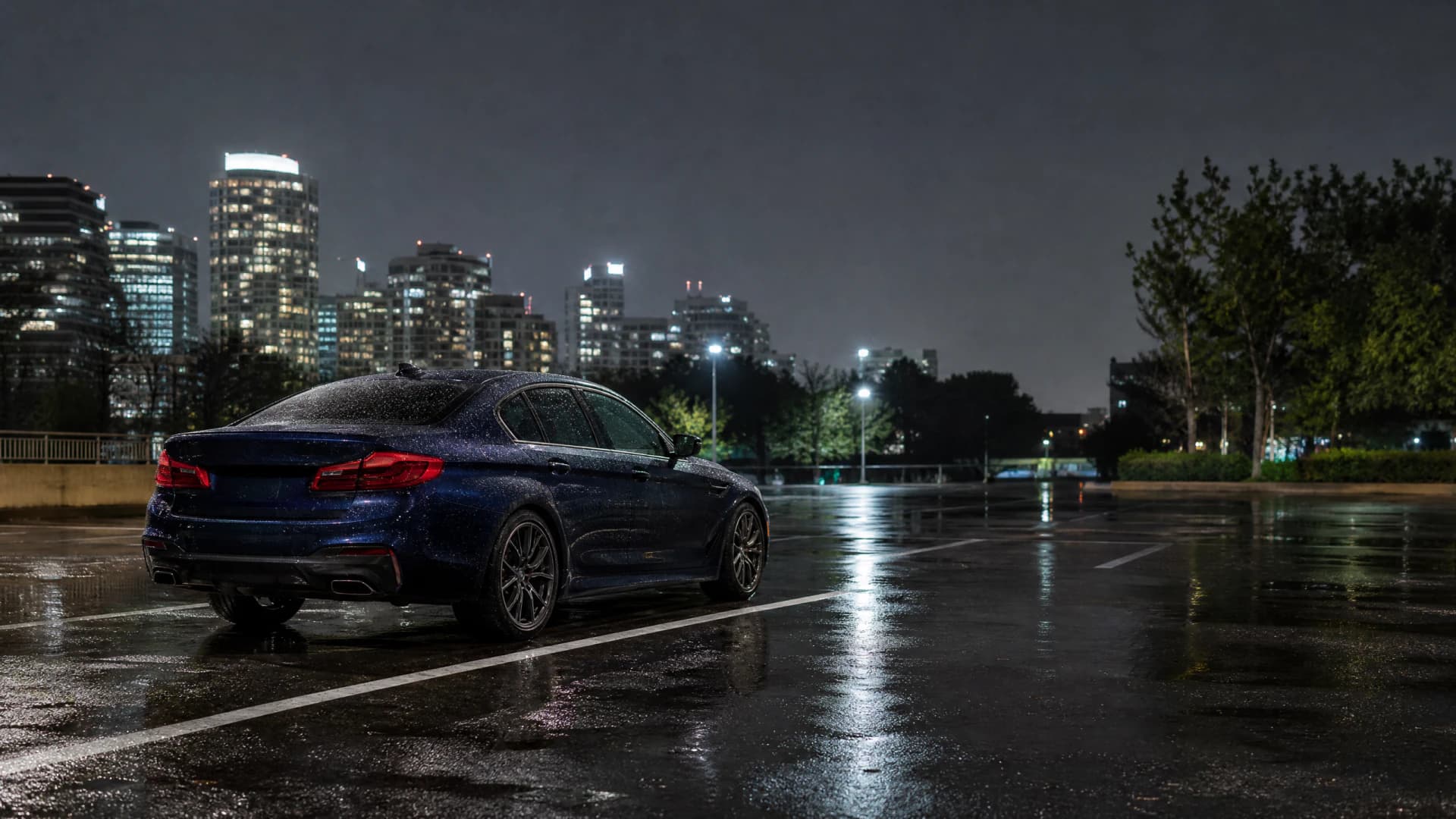
Oklahoma repealed its SR-22 analog in 2009. The state verifies compliance electronically through OCIVS, not through special filings or certificates.
Related Articles


Liability Coverage Across Multiple Vehicles
When you insure multiple vehicles on one policy, each vehicle must meet the 25/50/25 minimums. The liability limits apply per accident, not per vehicle. If you cause an accident while driving one of your insured vehicles, your policy's bodily injury and property damage limits cover that accident up to the stated amounts. The other vehicles on your policy are not involved in that claim.
Most carriers offer a multi-car discount when you insure two or more vehicles on the same policy. The discount applies to the total premium, not to individual vehicles. The specific discount amount varies by carrier and is not disclosed in rate filings. What matters for compliance is that every vehicle on the policy carries at least the state minimums.
If you own multiple vehicles but only drive one regularly, you still need liability coverage on every vehicle you register. Oklahoma does not allow you to register a vehicle without proof of insurance. Some households drop collision and comprehensive on rarely-driven vehicles but keep liability. That satisfies the law and lowers the premium.
12%
Oklahoma Uninsured Motorist Rate
One in eight drivers on Oklahoma roads carries no insurance. This is why uninsured motorist coverage, though optional, protects you when the at-fault driver cannot pay for damages.
Insurance Research Council, 2023
Optional Coverages That Protect You Beyond the Minimums
Liability insurance pays for damage you cause to others. It does not pay for damage to your own vehicle or injuries you sustain. Collision coverage pays to repair or replace your vehicle after an accident, regardless of fault. Comprehensive coverage pays for damage from theft, weather, vandalism, and animal strikes. These coverages are optional under Oklahoma law but required by lenders if you finance or lease a vehicle.
Uninsured and underinsured motorist coverage pays for your injuries and vehicle damage when the at-fault driver has no insurance or insufficient limits. Given that 12% of Oklahoma drivers are uninsured, this coverage fills a gap the state minimums do not address. It is optional, but it protects you from paying out of pocket when the other driver cannot.
Compare Carriers That Write Oklahoma Multi-Vehicle Policies
Twenty-one carriers write auto insurance in Oklahoma and report coverage to OCIVS. Not all carriers offer the same multi-car discount structure, and not all write policies for households with multiple vehicles the same way. Some carriers require every vehicle to be garaged at the same address. Others allow separate garaging locations within the same household. Compare quotes from carriers that write your household's vehicle count and garaging situation.
Start with carriers that write standard and preferred policies if your household has clean driving records: State Farm, Geico, Progressive, Allstate, Farmers, and USAA if you are military-affiliated. If any driver on the policy has a DUI, points, or a recent suspension, compare non-standard carriers that specialize in high-risk policies: Bristol West, GAINSCO, The General, and National General. Use the Oklahoma car insurance requirements page to compare carriers by household structure and driving history.
What Happens When You Drive Without Insurance
When OCIVS detects a lapse in coverage, the Department of Public Safety suspends your license and registration. You receive a notice by mail. If you continue driving during suspension, you face criminal charges, fines, and vehicle impoundment. The state does not offer a grace period. The suspension begins the day the system flags the lapse.
Reinstating your license after a suspension requires proof of current insurance, payment of reinstatement fees, and in some cases application for a Modified Driver License if the suspension was tied to a DUI or points accumulation. The Modified Driver License is Oklahoma's hardship license. It restricts you to Class D vehicles and may limit when and where you can drive. Ignition interlock is required for DUI-related suspensions.
Get Your Free Quote
Get My Oklahoma Car Insurance QuoteFrequently Asked Questions
Does Oklahoma require SR-22 insurance?
No. Oklahoma repealed its SR-22 analog in 2009. The state verifies insurance compliance electronically through OCIVS. You satisfy proof-of-financial-responsibility requirements by carrying a standard policy that meets the 25/50/25 minimums.
What are the minimum car insurance requirements in Oklahoma?
Oklahoma requires liability insurance with minimums of $25,000 per person for bodily injury, $50,000 per accident for bodily injury, and $25,000 per accident for property damage. These are the 25/50/25 minimums under Title 47 Section 7-320.
What happens if I drive without insurance in Oklahoma?
The Department of Public Safety suspends your license and registration when OCIVS detects a lapse in coverage. Reinstatement requires proof of current insurance, payment of reinstatement fees, and in some cases a Modified Driver License application.
Do I need uninsured motorist coverage in Oklahoma?
No, uninsured motorist coverage is optional under Oklahoma law. However, 12% of Oklahoma drivers are uninsured, so this coverage protects you when the at-fault driver cannot pay for damages.
How does Oklahoma verify that I have car insurance?
Oklahoma verifies insurance electronically through the Oklahoma Compliance Verification System (OCIVS). Your insurer reports your policy status directly to the state. When you register a vehicle or renew your license, the system checks for active coverage.
Can I insure multiple cars on one policy in Oklahoma?
Yes. Most carriers offer a multi-car discount when you insure two or more vehicles on the same policy. Each vehicle must meet the 25/50/25 liability minimums, and the discount applies to the total premium.