Financed Car Liability-Only Insurance — Oklahoma
Free to compare
The Gap Between State Law and Lender Requirements
You bought a car with financing, chose liability-only coverage to keep the premium low, and now your lender is threatening repossession or force-placed insurance. Oklahoma law requires only $25,000 per person and $50,000 per accident in bodily injury liability, plus $25,000 in property damage liability. That's the legal minimum to register and drive. Your lender doesn't care about the legal minimum — they care about protecting their collateral until you pay off the loan.
The structural reality: Oklahoma lets you drive with liability-only, but your finance contract — a separate, binding agreement you signed when you took the loan — requires comprehensive and collision coverage as long as the lender holds the title. The state won't stop you from carrying liability-only, but the lender can repossess the car or buy coverage on your behalf and bill you for it at a much higher rate. This article walks through what the lender can actually do, what your finance contract says, and the specific options available when you need to keep the car but can't afford full coverage right now.
“Oklahoma permits liability-only by law, but your finance contract overrides that choice until the loan is paid off.”

Get More Than the Oklahoma Minimum for Less
Get My Oklahoma Car Insurance Quote$25,000/$50,000/$25,000
Oklahoma Liability Minimum
Oklahoma requires $25,000 bodily injury per person, $50,000 per accident, and $25,000 property damage. This is the state's legal floor for registration and driving, but it does not satisfy a lender's collateral-protection requirement on a financed vehicle.
Oklahoma statutes Title 47
What Your Finance Contract Actually Requires
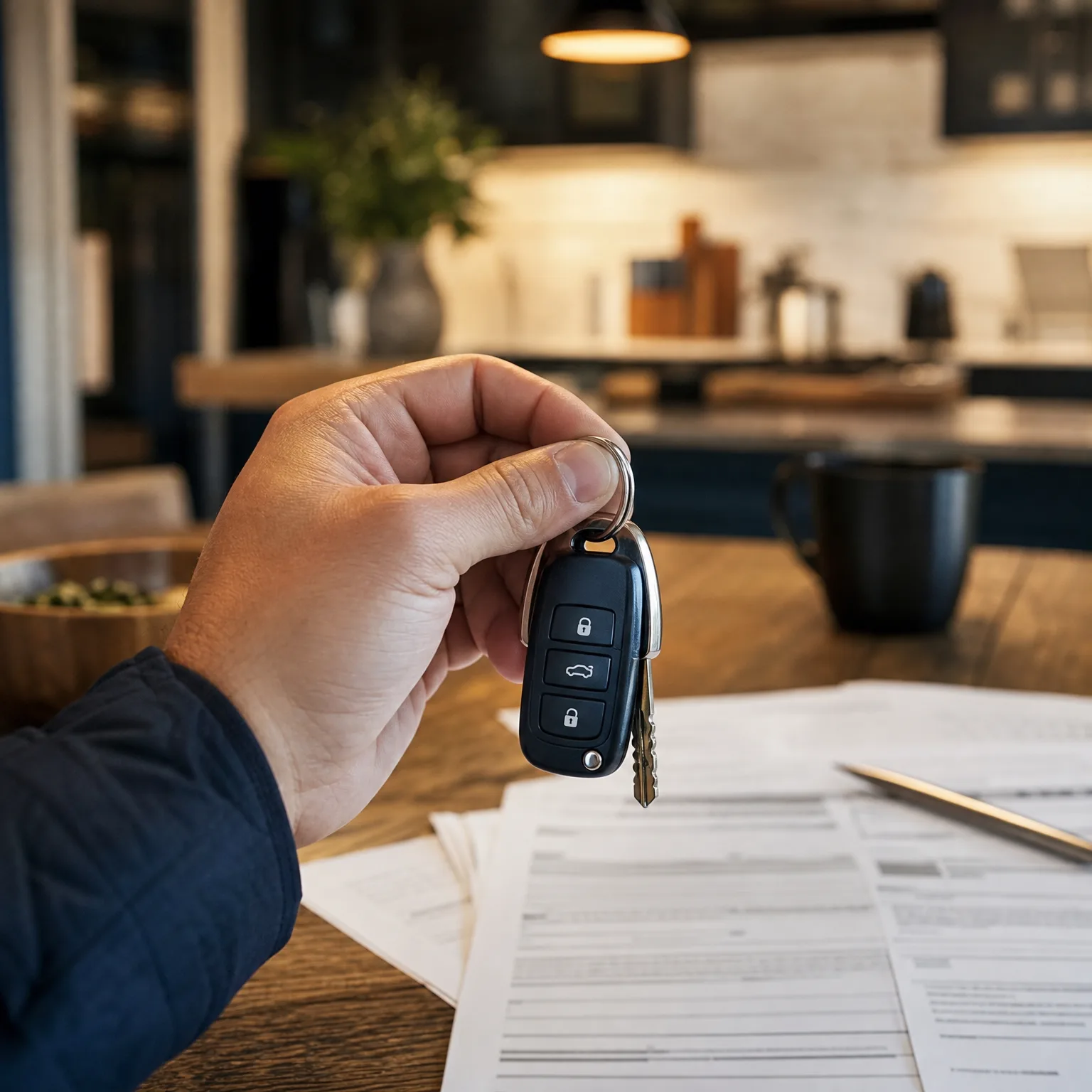
Every auto loan and lease contract includes a physical-damage insurance clause. The lender is named as lienholder on the title, which means they own the car until you make the final payment. If the car is totaled or stolen and you're carrying only liability coverage, the lender loses their collateral and you still owe the full loan balance. To prevent that, the contract requires you to carry comprehensive coverage (for theft, weather, vandalism) and collision coverage (for crashes) with the lender listed as loss payee.
The contract specifies a maximum deductible — typically $500 or $1,000 — and requires continuous coverage without any lapse. If you drop to liability-only or let the policy lapse, the lender receives an electronic notice from Oklahoma's verification system within days. The lender then sends you a notice giving you 10 to 30 days (the exact window is in your contract) to reinstate full coverage and provide proof. If you don't, the lender can exercise two remedies: repossession or force-placed insurance.
Force-placed insurance is a policy the lender buys on your behalf, covering only their interest in the vehicle — not your liability, not your medical bills, just the car's value. The premium is added to your loan balance and is typically two to three times higher than a standard full-coverage policy you'd buy yourself. Repossession is the nuclear option: the lender takes the car, sells it at auction, and you owe the difference between the sale price and your remaining loan balance, plus repossession and auction fees. Both outcomes are worse than paying for full coverage directly.
Oklahoma law permits liability-only, but your signed finance contract overrides that choice until the loan is paid off or refinanced.



Refinancing and Paying Off the Loan Early
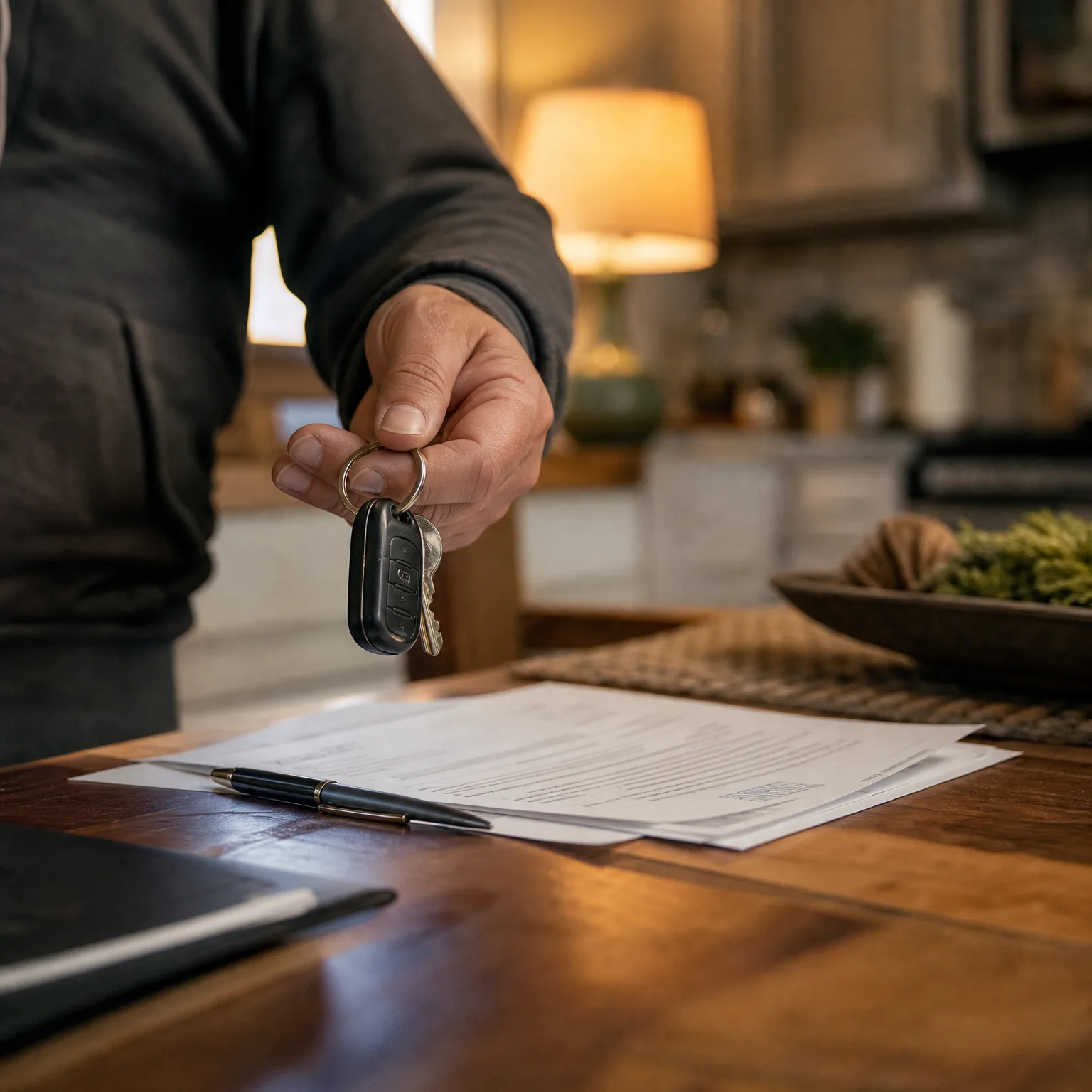
Option three: refinance the loan with a lender that permits higher deductibles or, in rare cases, gap insurance in place of collision. This is not common — most lenders require standard comprehensive and collision regardless — but it's worth asking your current lender or a credit union you're eligible to join. Refinancing resets the loan terms, so calculate whether the lower insurance cost offsets any rate or fee increase on the loan itself.
Option four: pay off the loan early if the remaining balance is low and you have savings or access to a personal loan at a lower rate than your auto loan. Once the lender releases the lien and you receive the title in your name only, the finance contract's insurance requirement disappears. You're then free to carry Oklahoma's liability-only minimum or any coverage level you choose. Calculate the total cost of full coverage over the remaining loan term versus paying off the balance now — if you're within six months of payoff, the math often favors early payment.
12%
Oklahoma Uninsured Driver Rate
Twelve percent of Oklahoma drivers carry no insurance, which increases collision risk for insured drivers. Lenders know this and price the repossession and loss risk into their collateral-protection requirements, making the full-coverage mandate non-negotiable on financed vehicles.
Insurance Research Council, 2023
What Happens If You Ignore the Lender's Notice
Ignoring the lender's coverage notice triggers one of two outcomes within 30 to 60 days. The lender either repossesses the car or buys force-placed insurance and adds the premium to your loan balance. Force-placed policies cover only the lender's interest — if you crash the car and it's totaled, the lender gets paid and you're left with no car, no coverage for your own injuries, and a remaining loan balance if the payout doesn't cover what you owe. You're also paying two to three times the rate you'd pay for a policy you bought yourself, and that inflated premium compounds your loan balance with interest.
Repossession is worse. The lender hires a recovery company, takes the car (often without warning, sometimes from your driveway at night), and sells it at auction. That deficiency balance goes to collections, damages your credit, and can result in a lawsuit and wage garnishment. The lender is not required to let you reinstate the loan after repossession — once the car is gone, it's gone.
Compare Full-Coverage Quotes Across Oklahoma Carriers
If you're currently carrying liability-only on a financed car and need to add comprehensive and collision before the lender acts, start by requesting quotes from your current carrier and at least two others that write full coverage for your profile. Provide your loan account number, lender name and address, and the coverage levels your contract requires — your loan paperwork specifies the maximum deductible, usually $500 or $1,000. Carriers writing financed-vehicle coverage in Oklahoma include State Farm, Geico, Progressive, Allstate, Farmers, Bristol West, GAINSCO, Mercury General, The General, and National General. Compare the monthly cost, the deductible options, and whether the carrier will file electronic verification with the state and notify your lender directly. Once you bind coverage, confirm the lender receives proof within 48 hours — most carriers send it automatically, but following up prevents a repossession notice from crossing in the mail.
Four Paths Forward When You Need Full Coverage
Option one: add comprehensive and collision to your existing liability policy. Call your current carrier and request a quote to add physical-damage coverage. You'll choose a deductible — $500 or $1,000 are standard — and the carrier will add the lender as loss payee. This is the most common path and usually the cheapest if your carrier writes full coverage for your risk profile. Oklahoma has 12% uninsured drivers, so if you're adding coverage mid-term, expect the policy to re-rate immediately rather than waiting for renewal. The new premium applies from the date you add coverage forward.
Option two: shop carriers that specialize in financed-vehicle coverage for non-standard drivers. If your current carrier won't write comprehensive and collision — common if you have recent violations, a lapse, or a non-standard risk profile — carriers like Bristol West, GAINSCO, The General, and National General write full coverage for higher-risk drivers in Oklahoma. These carriers expect financed vehicles and price accordingly. Request quotes from at least three, provide your loan account number and lender contact information, and compare the monthly cost including the deductible you choose. The carrier will file electronic verification with Oklahoma's system and notify your lender directly once the policy is active.
Get Your Free Quote
Get My Oklahoma Car Insurance QuoteFrequently Asked Questions
Can I legally drive a financed car in Oklahoma with only liability insurance?
Oklahoma law permits liability-only coverage, but your finance contract requires comprehensive and collision as long as the lender holds the title. The state won't stop you, but the lender can repossess the car or buy force-placed insurance and bill you for it.
What is force-placed insurance and how much does it cost?
Force-placed insurance is a policy the lender buys on your behalf if you drop required coverage. It covers only the lender's interest in the vehicle, not your liability or injuries, and typically costs two to three times more than a standard full-coverage policy you'd buy yourself. The premium is added to your loan balance with interest.
How long do I have to add full coverage after the lender sends a notice?
Most finance contracts give you 10 to 30 days to reinstate full coverage and provide proof to the lender. The exact window is in your loan paperwork. If you don't comply, the lender can repossess the car or buy force-placed insurance within 30 to 60 days of the notice.
Will paying off my car loan let me drop to liability-only coverage?
Yes. Once you pay off the loan and the lender releases the lien, the finance contract's insurance requirement ends. You then hold the title in your name only and can carry any coverage level Oklahoma law permits, including liability-only at $25,000/$50,000/$25,000.
Which Oklahoma carriers write full coverage for financed cars with recent violations?
Bristol West, GAINSCO, The General, and National General write full coverage for non-standard drivers with recent violations, lapses, or higher-risk profiles. These carriers expect financed vehicles and will file electronic verification with Oklahoma's system and notify your lender directly once the policy is active.