
Rental Reimbursement Coverage — Oklahoma
Free to compare
The Multi-Vehicle Rental Coverage Question
You own two or three vehicles in Oklahoma. One goes into the shop after a collision claim, and you're weighing whether rental reimbursement coverage was worth adding to your policy. The decision looks different when you already have a backup car sitting in the driveway than it does for a single-vehicle household with no alternative transportation.
Rental reimbursement is an optional endorsement on Oklahoma auto policies. The coverage attaches to your policy, not to a single vehicle, but it reimburses only one rental at a time. If two of your cars are in the shop simultaneously, the policy pays for one rental period, not two.
“Rental reimbursement pays for one vehicle at a time per policy, not one per car on the policy.”
Get More Than the Oklahoma Minimum for Less
Get My Oklahoma Car Insurance Quote$25,000 / $50,000 / $25,000
Oklahoma Minimum Liability Limits
Oklahoma requires $25,000 bodily injury per person, $50,000 per accident, and $25,000 property damage. Rental reimbursement is optional and sits outside these mandatory minimums. Collision or comprehensive coverage must be in place before a carrier will sell you the rental rider.
Oklahoma statutes Title 47
What Rental Reimbursement Covers in a Multi-Car Household
Rental reimbursement pays when a covered claim (collision, comprehensive, or in some policies uninsured motorist property damage) leaves your vehicle undriveable or in the shop. The coverage does not pay for rentals during routine maintenance, tire replacement, or any service unrelated to a claim. It does not pay when the other driver's liability insurance covers your rental (that falls under their property-damage liability). It pays only when your own collision or comprehensive coverage is the primary payer.
The daily limit and total maximum are elected when you add the endorsement. The coverage stops when your vehicle is repaired and returned, when you hit the total maximum, or when the carrier determines the vehicle is a total loss and settles the claim.
In a household with multiple vehicles, the backup-car question changes the value calculation. If your second vehicle can cover your commute and errands while the primary car is in the shop, you may not need a rental at all. If both adults in the household drive to separate jobs daily and losing one car creates a transportation gap, the rental rider has clear utility even when a backup exists.
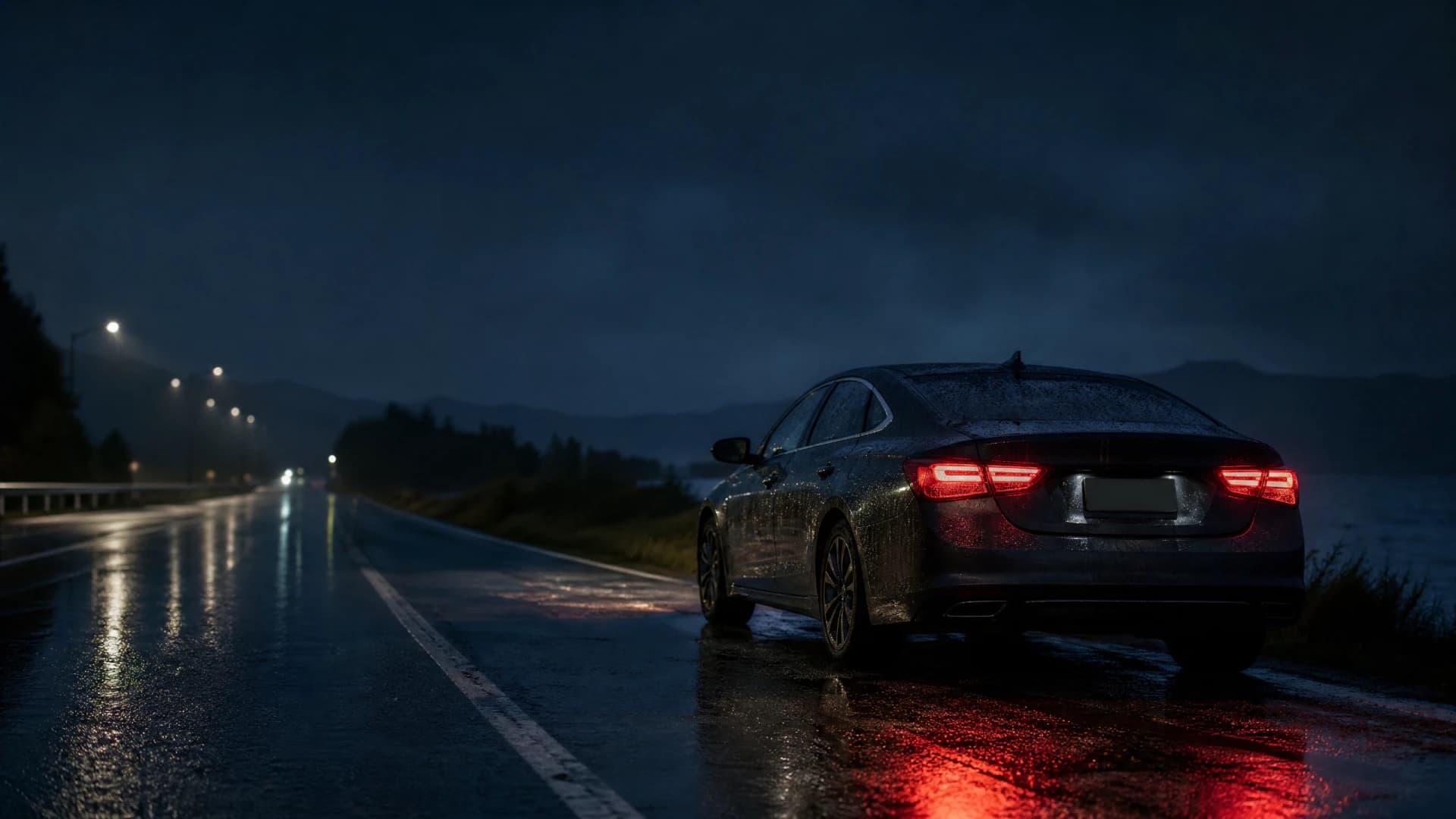
Rental reimbursement pays for one vehicle at a time per policy. Two cars in the shop simultaneously still produce one rental period, not two.
Related Articles
Best Car Insurance Companies in Oklahoma
7/15/2026

Minimum Coverage Multi-Car Policies Oklahoma
7/15/2026
Optional Car Insurance Worth It Oklahoma
7/15/2026
Cheapest Multi-Car Insurance in Oklahoma
7/15/2026
Comprehensive Coverage for Multiple Cars — OK
7/15/2026

Roadside Assistance Multi-Car Policy Oklahoma
7/15/2026
Cost Versus Exposure in a Multi-Vehicle Household
The cost scales with the daily limit and total maximum you choose, not with the number of vehicles on the policy. A household with three cars pays the same rental premium as a household with two cars if both elect the same daily and total limits.
The exposure calculation depends on how often you file collision or comprehensive claims and whether losing one vehicle creates a transportation gap. If you commute 40 miles daily in heavy traffic, have filed two claims in three years, and your household has no backup transportation plan, the coverage pays for itself the first time you need it.
Oklahoma law does not require rental reimbursement. Carriers will not sell it to you unless you carry collision or comprehensive on the vehicle. If you drop collision and comp to minimum liability-only coverage, the rental rider falls off automatically. This matters in multi-vehicle households where older, lower-value cars are sometimes carried at liability-only while newer vehicles maintain full coverage. The car without collision coverage cannot trigger rental reimbursement even if it's in an accident, because the underlying coverage that would pay for repairs is absent.
12%
Oklahoma Uninsured Motorist Rate
Twelve percent of Oklahoma drivers carry no insurance. If an uninsured driver hits your vehicle and you carry uninsured motorist property damage, some carriers extend rental reimbursement to UMPD claims. Others restrict it to collision and comprehensive only. Ask your carrier which claims trigger the rental rider before you buy it.
Insurance Research Council, 2023
Comparing Carriers and Rental Limits
Oklahoma carriers writing multi-vehicle policies offer rental reimbursement with varying daily limits and total maximums. Geico, Progressive, State Farm, and Farmers all write the endorsement in Oklahoma, but the available limits differ. Progressive offers similar tiers. State Farm structures the rider with fixed daily and total combinations that you cannot mix and match.
When comparing carriers, look at the daily limit first. The total maximum matters less unless your vehicle requires extended repair time (frame damage, parts delays, or total-loss settlement negotiations that stretch beyond two weeks).
When to Add Rental Coverage and When to Skip It
Add rental reimbursement if your household cannot function without every vehicle on the policy, if you have a history of filing collision or comprehensive claims, or if your commute and work schedule make ride-sharing or public transit impractical.
Skip it if you own multiple vehicles and losing one creates no transportation gap, if you have not filed a collision or comp claim in five or more years, or if you carry only liability coverage on some or all vehicles (the rental rider cannot attach without underlying collision or comprehensive). Skip it if your household budget can absorb a $500 to $1,000 rental expense without hardship and you prefer to self-insure low-frequency, manageable costs. Compare the annual premium across the carriers writing your vehicle count and household structure. Some carriers price the rental rider more aggressively than others, and the difference compounds over the life of your policy.
Policy Structure and Per-Vehicle Elections
When you add rental coverage to a multi-vehicle policy, most carriers apply the endorsement at the policy level. The daily limit and total maximum you select cover any vehicle on the policy when a covered claim occurs. You do not pay separate rental premiums for each car. The tradeoff: if you carry collision and comprehensive on three vehicles but only one has a high likelihood of needing a rental (for example, the daily commuter versus a weekend-only classic car), you're paying for rental coverage across the entire policy even though the exposure is concentrated in one vehicle.
A smaller number of carriers allow per-vehicle rental elections. You add the rider to Vehicle A but not Vehicle B or C. The premium is lower because the coverage applies only to the elected vehicle, but you lose rental reimbursement if a non-elected vehicle goes into the shop after a covered claim. This structure makes sense when one vehicle in your household sees heavy use and the others are true backups, but it requires you to predict which car is most likely to need repair. If you guess wrong, you pay out of pocket for the rental.
Get Your Free Quote
Get My Oklahoma Car Insurance QuoteFrequently Asked Questions
Does rental reimbursement cover all vehicles on my Oklahoma policy?
Rental reimbursement attaches to your policy, not to individual vehicles. It covers any vehicle on the policy when a covered claim occurs, but it pays for only one rental at a time. If two vehicles are in the shop simultaneously, the policy reimburses one rental period, not two.
Can I add rental coverage to only one vehicle on a multi-car policy in Oklahoma?
Most Oklahoma carriers apply rental reimbursement at the policy level, covering any vehicle when a claim occurs. A few carriers allow per-vehicle elections, letting you add the rider to specific vehicles only. Per-vehicle elections lower the premium but restrict coverage to the elected vehicle.
What daily rental limit should I choose for a multi-vehicle household in Oklahoma?
Choose the daily limit based on the type of vehicle you would rent and typical rental rates in your area, not the number of vehicles on your policy.
Does rental reimbursement pay if the other driver's insurance covers my rental?
No. Rental reimbursement pays only when your own collision or comprehensive coverage is the primary payer for vehicle repairs. If the at-fault driver's property-damage liability covers your rental, their insurance pays and your rental rider does not apply.
Do I need collision coverage to buy rental reimbursement in Oklahoma?
Yes. Oklahoma carriers require collision or comprehensive coverage on a vehicle before they will sell you rental reimbursement. If you drop collision and comp to liability-only, the rental rider falls off automatically. Vehicles carried at minimum liability cannot trigger rental coverage.
How much does rental reimbursement cost on an Oklahoma multi-vehicle policy?
The cost scales with the daily limit and total maximum you choose, not with the number of vehicles on the policy.