
Minimum Coverage for Multiple Cars — Oklahoma
Free to compare
The Shared-Limit Reality Multi-Car Households Miss
You carry Oklahoma's minimum liability on a policy covering two or three vehicles. You assume each car has its own $25,000 bodily injury protection. That assumption is wrong. Oklahoma's minimum — $25,000 per person, $50,000 per accident, $25,000 property damage — applies to the policy as a whole, not to each vehicle individually. When one of your insured cars causes an accident, the $50,000 per-accident cap is the total available across all vehicles on that policy.
This structure creates concentrated exposure for households insuring multiple vehicles under one policy. A single serious accident involving any car on your policy can exhaust the shared bodily injury limit, leaving you personally liable for damages beyond $50,000. The more vehicles you insure together, the more drivers and trips covered under that single cap, and the higher the probability that one incident depletes the limit meant to protect your entire household.
“Oklahoma's $50,000 cap covers every vehicle on your policy — one accident exhausts the limit meant to protect all your cars.”
Get More Than the Oklahoma Minimum for Less
Get My Oklahoma Car Insurance Quote$50,000
Oklahoma Per-Accident Bodily Injury Cap
This is the maximum your minimum-liability policy pays for all bodily injuries in one accident, regardless of how many vehicles are insured under that policy. Oklahoma statute sets the floor at $25,000 per person and $50,000 per occurrence.
Oklahoma statutes Title 47
How the Per-Policy Cap Works Across Multiple Vehicles
Oklahoma requires $25,000 bodily injury per person, $50,000 bodily injury per accident, and $25,000 property damage. These are per-policy limits, not per-vehicle. If you insure three cars on one policy and any one of those cars injures two people in an accident, your policy pays up to $25,000 for the first injured person and a combined maximum of $50,000 for all injured parties in that single occurrence. The fact that two other cars sit on the same policy does not multiply the cap.
Contrast this with collision and comprehensive coverage, which attach to specific vehicles. If you carry collision on two of your three cars, only those two are covered for their own damage. Liability, however, is a blanket coverage: it responds to accidents caused by any vehicle listed on the policy, but the per-occurrence dollar cap remains fixed regardless of vehicle count.
This matters most when household members drive different vehicles regularly. A teenager driving one car, a commuting spouse driving another, and weekend trips in a third all draw from the same $50,000 per-accident pool. One serious accident involving any driver, any vehicle, any day exhausts the limit for that event.
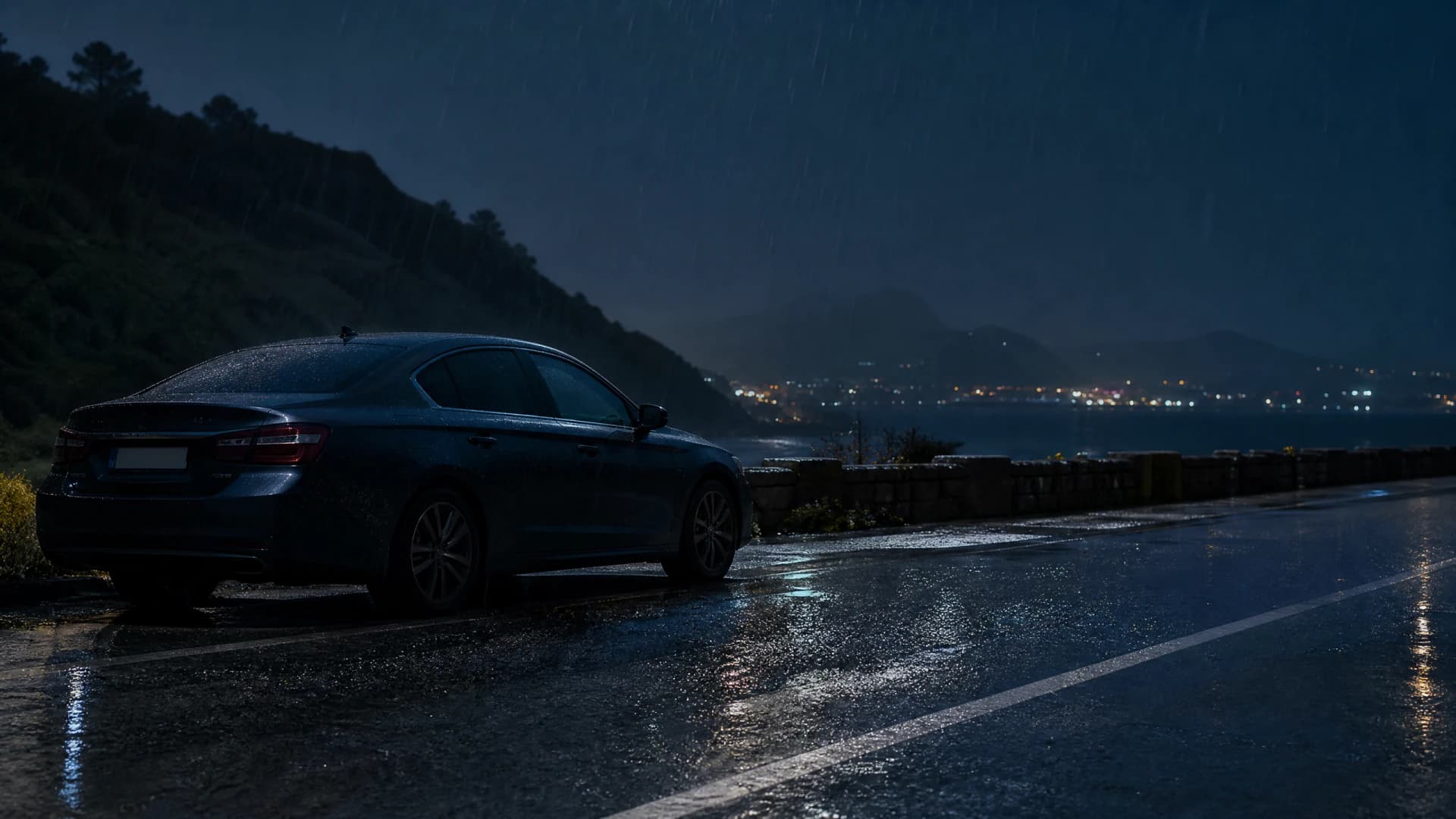
The $50,000 cap is shared across every vehicle and every driver on your policy — one accident by any household member can exhaust the limit meant to protect all your cars.
Related Articles


Structuring Higher Limits Across Your Multi-Vehicle Policy
Raising your per-person and per-occurrence bodily injury limits increases the cap that protects every vehicle on your policy. Moving from Oklahoma's 25/50/25 minimum to 50/100/50 or 100/300/100 doubles or quadruples the per-accident ceiling without requiring separate policies for each car. The higher limit applies to any accident caused by any vehicle listed on the policy.
Carriers writing multi-vehicle policies in Oklahoma include State Farm, GEICO, Progressive, Farmers, Allstate, Liberty Mutual, Travelers, and Nationwide. Most offer liability limits well above the state minimum. When you request a quote for multiple vehicles, specify the bodily injury limit you want — the carrier applies that limit to the policy as a whole, covering all listed vehicles and all household drivers.
Some households split vehicles across separate policies to isolate liability exposure. This strategy works when vehicles are titled to different household members or garaged at different addresses, but it eliminates the multi-car discount most carriers offer for insuring multiple vehicles on one policy. Compare the cost of higher limits on one shared policy against the cost of separate policies at minimum limits — in many cases, the single-policy structure with increased liability coverage costs less than splitting and loses the discount.
Umbrella liability policies provide additional coverage above your auto policy limits. Umbrellas require you to carry a minimum underlying auto liability limit, typically 100/300 or 250/500, so they are not compatible with minimum-coverage-only strategies.
12%
Oklahoma Uninsured Motorist Rate
Twelve percent of Oklahoma drivers carry no insurance. When an uninsured driver hits one of your vehicles, your uninsured motorist coverage pays for injuries to you and your passengers, up to your UM policy limit. Oklahoma does not mandate UM coverage, but it is offered by every carrier writing in the state.
Insurance Research Council 2023

Uninsured Motorist Coverage and the Multi-Car Household
Oklahoma does not require uninsured motorist coverage, but approximately 12% of drivers on Oklahoma roads carry no insurance. When an uninsured driver causes an accident that injures you or your passengers, your UM coverage pays medical costs and lost wages up to your UM limit. Without UM coverage, you pursue the at-fault driver personally — a process that often recovers nothing because uninsured drivers typically lack assets.
UM coverage on a multi-vehicle policy works the same way liability does: the per-occurrence limit applies to the policy, not to each vehicle. If you carry 25/50 UM and an uninsured driver injures occupants in one of your three insured cars, your UM policy pays up to $50,000 total for that accident. Households with multiple vehicles and multiple drivers face higher probability that someone in the household will be hit by an uninsured motorist, yet the UM cap remains fixed unless you raise it.
Compare Carriers Writing Multi-Vehicle Policies in Oklahoma
Seventeen carriers write auto insurance in Oklahoma and offer multi-vehicle policies. State Farm, GEICO, Progressive, Farmers, Allstate, and Liberty Mutual write the largest volume and offer online quoting for households insuring two or more vehicles. Liability limits, UM options, and multi-car discount structures vary by carrier. Request quotes specifying the number of vehicles, the drivers in your household, and the liability limits you want — carriers price the policy based on aggregate household risk, not per-vehicle risk in isolation.
When comparing quotes, confirm that each quote reflects the same liability limits across all vehicles. A quote at 25/50/25 on three cars is not comparable to a quote at 100/300/100 on the same three cars. The lower-limit quote may appear cheaper, but it leaves your household exposed to the shared-cap problem described above. The higher-limit quote costs more per month but raises the ceiling protecting every vehicle and every driver on your policy. Focus comparison on equivalent coverage structures, then choose the carrier offering the best rate for the limits you need.
Next Step: Structure Coverage That Fits Your Household
Compare liability options from carriers writing multi-vehicle policies in Oklahoma. Specify the number of vehicles you insure, the drivers in your household, and request quotes at 50/100/50 or 100/300/100 liability limits alongside the 25/50/25 minimum. The difference in monthly cost between minimum limits and higher limits is often smaller than households expect, and the increased per-accident cap eliminates the shared-limit exposure that leaves multi-car policies vulnerable. Start with carriers that write your household's vehicle count and driving profile, confirm each quote reflects identical liability limits, and choose the structure that protects your household without overpaying for coverage you do not need.
When Minimum Limits Leave Multi-Car Households Exposed
If your at-fault accident injures two people seriously enough to require hospital admission, the $50,000 cap may cover initial bills but leave you personally liable for everything beyond that threshold. Oklahoma law does not cap your personal liability — only your insurance payout stops at the policy limit.
Multi-car households amplify this exposure because the policy covers more drivers making more trips. A household insuring one vehicle might log 12,000 miles annually with one primary driver. A household insuring three vehicles with three drivers might log 35,000 miles across varied routes, times, and conditions. The probability that one of those trips results in a serious at-fault accident rises with vehicle count and driver count, yet the liability cap protecting all those exposures remains fixed at $50,000 per occurrence.
Get Your Free Quote
Get My Oklahoma Car Insurance QuoteFrequently Asked Questions
Does Oklahoma require higher liability limits if I insure multiple cars?
No. Oklahoma's minimum liability requirement is $25,000 per person, $50,000 per accident, and $25,000 property damage regardless of how many vehicles you insure on one policy. The per-accident cap applies to the policy as a whole, not to each vehicle separately.
Can I carry different liability limits on different vehicles on the same policy?
No. Liability limits apply to the policy, not to individual vehicles. If you insure three cars on one policy with 100/300/100 liability, that limit covers accidents caused by any of the three vehicles. You cannot assign 25/50/25 to one car and 100/300/100 to another on the same policy.
What happens if one of my cars causes an accident that exceeds the $50,000 cap?
You are personally liable for all damages beyond your policy limit. Oklahoma law does not cap personal liability.
Do I need uninsured motorist coverage if I already carry liability?
Liability coverage pays when you cause an accident. Uninsured motorist coverage pays when someone without insurance hits you. Oklahoma does not require UM coverage, but approximately 12% of Oklahoma drivers are uninsured. Without UM, you pursue the at-fault driver personally, which often recovers nothing.
Is it cheaper to insure multiple cars on separate policies?
Usually not. Most carriers offer a multi-car discount when you insure two or more vehicles on one policy. Splitting vehicles across separate policies eliminates that discount. Compare the cost of one policy with higher liability limits against separate policies at minimum limits before deciding.
How do I raise my liability limits on a multi-vehicle policy?
Contact your carrier or request a new quote specifying the higher limits you want. Carriers apply the new limit to the entire policy, covering all listed vehicles. The increase takes effect on your next renewal or immediately if you request a mid-term change.