
State Farm Multi-Car Coverage — Oklahoma
Free to compare
State Farm Writes Multi-Car Policies in Oklahoma
State Farm is licensed to write auto insurance in Oklahoma and accepts policies covering two or more vehicles under one account. The carrier operates as a preferred-tier writer in the state, meaning households with clean driving records and standard risk profiles typically qualify for coverage. If you own multiple cars and want them on one State Farm policy, the carrier writes that structure here.
The question most households face is not whether State Farm writes multi-car policies in Oklahoma — it does — but whether your specific vehicle and driver configuration fits the carrier's same-policy requirements. State Farm's multi-vehicle discount applies only when every car on the policy is garaged at the same address and titled to members of the same household. A car parked at a second location, titled to someone outside your household, or registered at a different address does not qualify for the same-policy discount, even if you want to add it to your existing State Farm account.
“State Farm's multi-car discount applies only when every vehicle is garaged at the same address — a car at a second location does not qualify.”
Get More Than the Oklahoma Minimum for Less
Get My Oklahoma Car Insurance Quote2,556,609
Oklahoma Licensed Drivers
Oklahoma had 2,556,609 licensed drivers as of 2022, with 3,345,331 registered motor vehicles — a vehicle-to-driver ratio above 1.3, meaning many households own more than one car and need multi-vehicle coverage.
Oklahoma state vehicle registration data, 2022
Same-Address Requirement Defines Eligibility
State Farm's multi-car discount requires every vehicle on the policy to be garaged at the same physical address. Garaged means the location where the car is parked overnight most of the time — not where it is titled, not where the owner lives during the week, but where the car actually sits when not in use. If you own three cars and two are garaged at your primary residence while the third is parked at a vacation property or a college student's apartment in another city, the third vehicle does not qualify for the multi-car discount on your existing policy.
The same-address rule also applies to household composition. State Farm defines a household as people living at the same address who are related by blood, marriage, or legal guardianship. Roommates who share an address but are not related cannot combine their vehicles on one State Farm policy to access the multi-car discount. Each unrelated driver needs a separate policy, even if the cars are parked in the same driveway.
This structural requirement blocks many households who assume adding a car to an existing policy is automatic. A parent who buys a car for a college student attending school out of state cannot add that vehicle to the family's Oklahoma State Farm policy if the car is garaged at the student's campus address. The student needs a separate policy in the state where the car is garaged, or the family must list the campus address as the garaging location and accept the rating for that ZIP code.
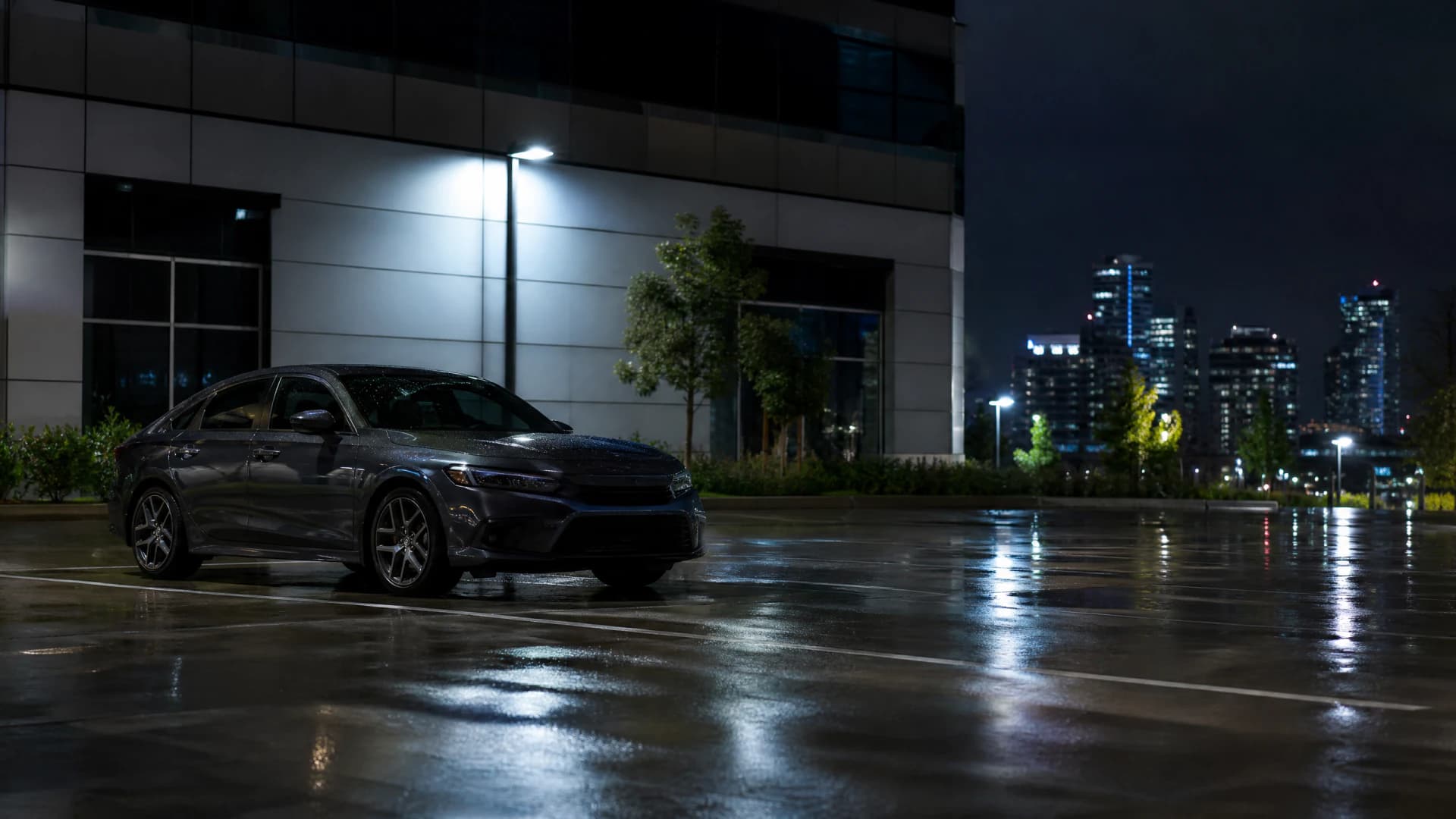
State Farm's multi-car discount applies only when every vehicle is garaged at the same address and titled to household members — a car at a second location does not qualify.
Related Articles





Adding a Vehicle Mid-Term Re-Rates the Policy
State Farm allows you to add a vehicle to an existing policy at any point during the policy term, but the addition triggers an immediate re-rating of the entire account. The carrier calculates the new premium based on the updated vehicle count, driver assignments, and combined risk, then charges or credits the difference for the remaining term. If you add a car three months into a six-month policy, you pay the prorated increase for the remaining three months, and the new vehicle count carries forward into the next renewal.
The re-rating can produce unexpected results if the new vehicle changes the household's risk profile significantly. Adding a sports car or a vehicle with a high theft rate increases the premium more than adding a minivan or a low-profile sedan. Adding a car that will be driven by a young or inexperienced driver increases the premium more than adding a car assigned to an experienced adult. The multi-vehicle discount applies to the new total, but the discount does not always offset the incremental cost of the added vehicle.
State Farm provides a grace period for newly purchased vehicles — typically 14 to 30 days depending on state law and policy terms — during which the new car is automatically covered under your existing policy's liability and physical damage coverages. You must report the vehicle to State Farm within that window to formalize the addition and lock in the coverage. If you miss the grace period and the car is involved in a claim before you report it, the carrier may deny coverage for that vehicle.
$25,000 / $50,000 / $25,000
Oklahoma Minimum Liability Limits
Oklahoma requires $25,000 bodily injury per person, $50,000 bodily injury per accident, and $25,000 property damage. Every vehicle on a State Farm multi-car policy must carry at least these minimums, though most households choose higher limits to protect multiple assets.
Oklahoma auto insurance state data
State Farm Versus Other Multi-Car Carriers in Oklahoma
State Farm is one of several carriers writing multi-car policies in Oklahoma, and its same-address requirement is stricter than some competitors. Progressive, GEICO, and Farmers also write multi-vehicle policies in the state, and each carrier applies different rules for garaging locations, household composition, and discount eligibility. Progressive allows some flexibility for vehicles garaged at different addresses within the same state if the policyholder can demonstrate a legitimate reason, such as a college student or a seasonal vehicle. GEICO's multi-car discount applies when vehicles are titled to the same household, even if one car is temporarily garaged elsewhere. Farmers structures its multi-vehicle discount similarly to State Farm, requiring same-address garaging for all vehicles.
The difference in garaging rules means a household blocked by State Farm's same-address requirement may qualify for a multi-car discount with a different carrier. If you own three cars and one is parked at a second property or a college address, compare carriers that write your vehicle configuration rather than assuming State Farm is the only option. The premium difference between carriers can be significant, and the carrier with the most flexible garaging rules is not always the cheapest once you factor in base rates and other discounts.
Compare State Farm Against Your Household's Vehicle Structure
State Farm writes solid multi-car coverage in Oklahoma for households whose vehicles meet the same-address requirement, but the carrier's structural rules block configurations that other writers accept. If every car you own is garaged at your primary residence and titled to members of your household, State Farm is a viable option and you should compare its rates against other preferred-tier carriers. If one or more vehicles are garaged at a second location, titled to someone outside your household, or parked at a college or vacation property, you need a carrier that writes split-garaging configurations or you need separate policies for the vehicles at different addresses.
The next step is to compare carriers that write your specific vehicle count and garaging structure. Oklahoma has 2,556,609 licensed drivers and multiple carriers writing multi-car policies — State Farm is one option, not the only one. Request quotes from carriers that accept your household's configuration, compare the total premium for all vehicles combined, and verify that the multi-car discount applies to your situation before committing. The carrier with the best rate for a single car is not always the best rate for three cars, and the discount structure matters as much as the base premium.
How State Farm Structures Multi-Vehicle Policies
When you add a second or third vehicle to an existing State Farm policy, the carrier re-rates the entire policy rather than simply adding a flat amount for the new car. The premium calculation considers the combined risk of all vehicles, all drivers listed on the policy, and the garaging location. A household adding a high-value vehicle or a car driven by a young driver will see a larger premium increase than a household adding an older sedan driven by an experienced adult. The multi-vehicle discount applies after the combined rating, reducing the total premium by a percentage that varies by state and household profile.
State Farm assigns each vehicle to a primary driver, and that assignment affects the premium for that car. If you add a third vehicle and assign it to a driver with a clean record, the incremental cost is lower than if you assign it to a driver with a recent violation. The carrier also considers how many drivers are in the household relative to how many cars — a household with three cars and two drivers pays less than a household with three cars and four drivers, because the latter configuration signals higher total exposure.
Get Your Free Quote
Get My Oklahoma Car Insurance QuoteFrequently Asked Questions
Does State Farm offer multi-car insurance in Oklahoma?
Yes, State Farm writes multi-car policies in Oklahoma for households with two or more vehicles. The carrier requires every vehicle on the policy to be garaged at the same address and titled to members of the same household to qualify for the multi-vehicle discount.
Can I add a car to my State Farm policy if it's garaged at a different address?
State Farm's multi-car discount requires all vehicles to be garaged at the same address. If a car is parked at a second location, you can add it to your policy but it will not qualify for the multi-vehicle discount, or you may need a separate policy for that vehicle depending on the garaging location.
How does State Farm calculate the premium when I add a second car?
State Farm re-rates the entire policy when you add a vehicle, considering the combined risk of all cars and drivers on the account. The multi-vehicle discount applies to the new total premium, but the discount does not always offset the incremental cost of the added vehicle, especially if the new car is high-value or assigned to a young driver.
What is the grace period for adding a newly purchased car to my State Farm policy?
State Farm typically provides a 14- to 30-day grace period for newly purchased vehicles, during which the new car is automatically covered under your existing policy. You must report the vehicle to State Farm within that window to formalize the addition and maintain coverage.
Can roommates combine their cars on one State Farm policy in Oklahoma?
No, State Farm defines a household as people related by blood, marriage, or legal guardianship living at the same address. Unrelated roommates cannot combine their vehicles on one policy to access the multi-car discount, even if the cars are garaged at the same location.
Does State Farm write coverage for college students with cars garaged out of state?
If a college student's car is garaged at a campus address in another state, it cannot be added to the family's Oklahoma State Farm policy under the multi-car discount. The student needs a separate policy in the state where the car is garaged, or the family must list the campus address as the garaging location and accept that state's rating.