
Insurance Requirements to Register a Car — Oklahoma
Free to compare
You Cannot Register Without Active Coverage
Oklahoma law requires proof of financial responsibility before Service Oklahoma will issue plates for any vehicle. That proof almost always means an active auto insurance policy meeting the state's minimum liability limits: $25,000 bodily injury per person, $50,000 bodily injury per accident, and $25,000 property damage. The state verifies coverage electronically through the Oklahoma Compliance Verification System (OCIVS) at the moment you apply for registration. If your policy hasn't synced to OCIVS yet, or if coverage lapsed even briefly, the system blocks the transaction and you leave without plates.
This electronic gate catches buyers who assume they can register first and add insurance later, or who bought a policy hours before arriving at the tag agency but whose carrier hasn't yet reported the coverage to the state database. The verification is instant and non-negotiable: no coverage record in OCIVS means no registration, regardless of what paper card you bring or what your carrier's app shows.
“OCIVS pulls coverage data directly from insurers—if the VIN returns no match, the system halts and the clerk cannot override it.”

Get More Than the Oklahoma Minimum for Less
Get My Oklahoma Car Insurance Quote$25,000 / $50,000 / $25,000
Oklahoma Minimum Liability Limits
Bodily injury per person, bodily injury per accident, and property damage per accident. Every registered vehicle must carry at least this much coverage, verified electronically before Service Oklahoma issues plates.
Oklahoma statutes Title 47 § 7-320
The Electronic Verification System Runs Before Registration
OCIVS pulls coverage data directly from insurers writing policies in Oklahoma. When you buy a policy, your carrier reports the vehicle identification number, policy effective date, and coverage limits to the state database. Service Oklahoma queries that database when you submit your registration application. If the VIN returns an active policy meeting minimum limits, registration proceeds. If the query returns no match, a lapsed policy, or coverage below minimums, the system halts and the clerk cannot override it.
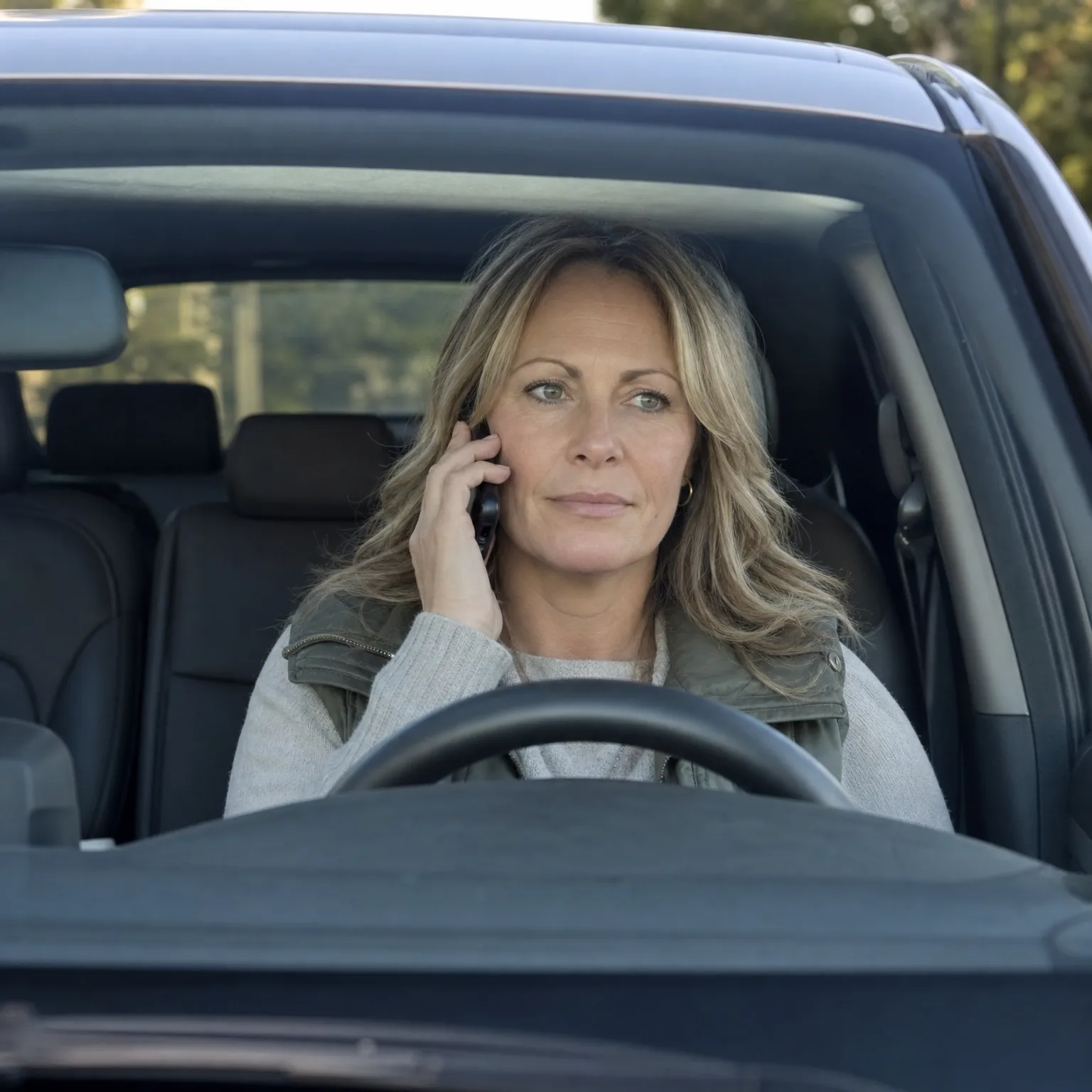
The sync between your carrier and OCIVS typically completes within 24 to 48 hours of policy purchase, but timing varies by carrier. A policy bought the morning of your tag-agency visit may not appear in the state system yet, even though your carrier issued a policy number and charged your card. That lag creates the most common registration failure: you have coverage, but the state's verification system doesn't know it yet.
Bringing a printed insurance card or showing the carrier's app does not bypass the electronic check. The clerk cannot manually enter your policy information or accept paper proof in place of an OCIVS match. The system either confirms coverage or it doesn't—there is no workaround at the counter.

If OCIVS shows no active policy for your VIN, Service Oklahoma cannot issue plates—even if you hold a valid insurance card in your hand.



What Happens When Coverage Lapses After Registration
OCIVS monitors your policy continuously after registration, not just at the initial transaction. If your coverage lapses for any reason—missed payment, cancellation, non-renewal—your carrier reports the lapse to the state within days. Oklahoma then suspends your registration and mails a notice demanding proof of continuous coverage or surrender of your plates. Driving on a suspended registration is a misdemeanor, and reinstatement requires proof you maintained coverage during the lapse period or payment of a reinstatement fee if you did not.
Adding a newly purchased vehicle to an existing multi-car policy triggers the same OCIVS reporting requirement. Your carrier must report the added vehicle to the state database before you can register it. If you bought a second or third car and plan to register it on your household policy, confirm with your insurer that they updated OCIVS with the new VIN before you visit the tag agency. The system treats each vehicle independently—coverage on your other cars does not satisfy the requirement for the newly added one until the carrier syncs that specific VIN.
Switching carriers mid-term creates a brief coverage gap in OCIVS if the old carrier reports cancellation before the new carrier reports the replacement policy. That gap can trigger a registration suspension even though you maintained continuous coverage in reality. To avoid it, overlap the effective dates by at least one day: start the new policy the day before you cancel the old one, and confirm both carriers reported their respective transactions to OCIVS before the overlap window closes.
12%
Oklahoma Uninsured Motorist Rate
One in eight drivers on Oklahoma roads carries no insurance, making uninsured motorist coverage a practical addition to the state-required minimums. OCIVS enforcement reduces that rate over time, but gaps remain.
Insurance Research Council, 2023

Alternatives to Standard Insurance Are Rare
Oklahoma law allows two non-insurance paths to satisfy the financial responsibility requirement: a $75,000 cash or certificate-of-deposit bond filed with the Department of Public Safety, or a certificate of self-insurance issued to fleet operators meeting strict net-worth and claims-history standards. Both options require advance approval from DPS and are impractical for individual vehicle owners. The cash bond ties up $75,000 per vehicle, and self-insurance certification is available only to businesses operating large fleets with demonstrated financial capacity to cover claims without a carrier.
Compare Carriers That Write Your Household's Vehicles
Oklahoma's carrier roster includes both standard and non-standard insurers, and rates vary widely by driving record, vehicle type, and coverage selections. If you insure multiple vehicles on one policy, the multi-car discount typically lowers your combined premium compared to separate policies, but not every carrier offers the same discount structure or writes all vehicle types. Geico, Progressive, State Farm, and Farmers all write multi-vehicle policies in Oklahoma and report to OCIVS within 24 to 48 hours of policy purchase. Bristol West, GAINSCO, The General, and National General write non-standard policies for drivers with violations or lapses, and their OCIVS sync times are comparable.
Request quotes from at least three carriers, providing the VIN for every vehicle you plan to register. Compare not only the premium but also the carrier's OCIVS reporting speed and their process for adding vehicles mid-term. A carrier that syncs to the state database within hours rather than days reduces the risk of a registration delay, and a carrier that allows you to add a newly purchased vehicle online without waiting for underwriting review simplifies future registrations. Once you select a carrier, confirm they will report your policy to OCIVS immediately and ask when you can safely schedule your tag-agency visit.
Buy Coverage Before You Visit the Tag Agency
Call your chosen carrier or complete the online application, providing the vehicle identification number exactly as it appears on the title. The VIN is the key OCIVS uses to match your policy to your registration application—a single transposed digit will cause a mismatch and block the transaction. Confirm with the carrier that they will report the policy to Oklahoma's compliance system immediately, and ask when you can expect the sync to complete. Most carriers sync within 24 hours, but a few take 48 or longer.
Once the carrier confirms your policy is active, wait at least one full business day before visiting Service Oklahoma. If you need plates urgently and cannot wait, call the carrier the morning of your appointment and ask them to verify that OCIVS shows your VIN as covered. Some carriers can check the state database directly; others will tell you to contact Service Oklahoma's verification line. Either way, do not drive to the tag agency until you have confirmation the sync completed—showing up without it wastes the trip and delays registration further.
Get Your Free Quote
Get My Oklahoma Car Insurance QuoteFrequently Asked Questions
Can I register a car in Oklahoma without insurance?
No. Oklahoma requires proof of active liability insurance meeting state minimums before Service Oklahoma will issue plates. The state verifies coverage electronically through OCIVS at the moment you apply—no coverage record means no registration.
How long does it take for my insurance to show up in Oklahoma's system?
Most carriers report new policies to OCIVS within 24 to 48 hours of purchase. A few take longer. Buy coverage at least two business days before your registration appointment to ensure the sync completes in time.
What happens if I let my insurance lapse after I register my car?
OCIVS monitors your policy continuously. If coverage lapses, your carrier reports it to the state within days, Oklahoma suspends your registration, and you must provide proof of continuous coverage or pay a reinstatement fee to restore your plates.
Can I bring a paper insurance card instead of waiting for OCIVS to sync?
No. Service Oklahoma cannot accept paper proof or manually enter policy information. The electronic verification system must show an active policy for your VIN before the clerk can issue plates—there is no workaround.
Do I need insurance for every car I own in Oklahoma?
Yes. Every registered vehicle must carry active liability coverage meeting Oklahoma's minimums. If you insure multiple vehicles on one policy, your carrier must report each VIN to OCIVS individually before you can register it.
What if I just bought a car and need to register it today?
Buy a policy immediately and confirm with the carrier that they will report it to OCIVS within hours, not days. Call Service Oklahoma's verification line or ask the carrier to check the state database before you drive to the tag agency—showing up before the sync completes wastes the trip.