
Electronic Insurance Verification — Oklahoma
Free to compare
When the Tag Agency Says You're Uninsured
You bought coverage, your carrier sent you a policy ID card, and you drove to the tag agency to register your second vehicle. The clerk runs your plate and tells you the state system shows no active insurance. Your card means nothing here — Oklahoma does not accept paper proof at registration counters. The state verifies coverage through an electronic reporting system called OCIVS, and if your carrier has not transmitted your policy data to the Department of Public Safety yet, you are uninsured as far as the state is concerned.
This article explains how Oklahoma's electronic verification system works, why your insurance card does not count as proof at the tag agency or during a traffic stop, what causes the reporting lag that leaves drivers stuck between purchase and system confirmation, and what to do when OCIVS has not caught up to your actual coverage status.
“Your insurance card is not proof in Oklahoma — the state checks OCIVS, and if your carrier has not reported your policy yet, you show uninsured.”

Get More Than the Oklahoma Minimum for Less
Get My Oklahoma Car Insurance Quote12%
Oklahoma Uninsured Motorist Rate
Twelve percent of Oklahoma drivers operate without insurance, one of the higher uninsured rates in the country. The state's electronic verification system was built to close that gap by making coverage status instantly checkable at registration and during traffic stops.
Insurance Research Council, 2023
Oklahoma Abolished Paper Proof in 2009
Oklahoma used to require carriers to file an insurer-certified proof form — the SR-22 analog under Title 47 sections 7-321 and 7-322 — when a driver needed to demonstrate financial responsibility after certain violations. That requirement was repealed effective November 1, 2009. The state simultaneously built the Oklahoma Compliance Verification System, a real-time electronic database that carriers report into and that state agencies query directly. OCIVS replaced paper proof for registration, traffic stops, and reinstatement verification.
Under current law, proof of financial responsibility is satisfied only by a security verification form (the standard insurance ID card carriers issue), a $75,000 cash or certificate-of-deposit on file with DPS, or a certificate of self-insurance. The ID card itself is not proof — it is evidence that points to the OCIVS record, which is the actual proof. When a tag agency clerk or trooper checks your coverage, they are querying OCIVS, not reading your card.
This creates a structural problem for drivers who assume the card is enough. If the carrier has not reported your policy to OCIVS yet, or if the carrier reported it but keyed your VIN or name incorrectly, the state system returns no match. You have coverage, but the state cannot see it.

Your insurance card is not proof in Oklahoma. The state checks OCIVS, and if your carrier has not reported your policy to DPS yet, you show uninsured regardless of what your card says.
Related Articles



What Happens During a Traffic Stop
Oklahoma law requires drivers to carry proof of insurance and present it on demand during a traffic stop. Troopers and municipal officers query OCIVS from their patrol units before they walk up to your window. If OCIVS shows active coverage tied to your plate, the stop proceeds normally. If OCIVS returns no match, you receive a citation for driving without insurance even if you hand the officer a valid ID card.
If you can prove at your court date that you had active coverage at the time of the stop — by showing the policy declaration page with an effective date before the stop date — most judges dismiss the charge. But you still spent time in court, and the citation stays on your driving record until the dismissal is entered. The card alone does not prevent the citation; only the OCIVS record does.
For households insuring multiple vehicles, this creates a compounding problem. If you add a third car to your policy and drive it the same day, OCIVS may not reflect the new VIN yet. A trooper who runs the plate sees no coverage, and you receive a citation even though your carrier confirmed the vehicle is covered. The lag between your carrier's internal system and the OCIVS transmission is the gap you are driving in.
2,556,609
Oklahoma Licensed Drivers
Oklahoma has over 2.5 million licensed drivers and 3.3 million registered vehicles. The OCIVS system processes millions of coverage queries annually from tag agencies, law enforcement, and DPS reinstatement offices.
Federal Highway Administration, 2022
When OCIVS Lags Behind Your Policy
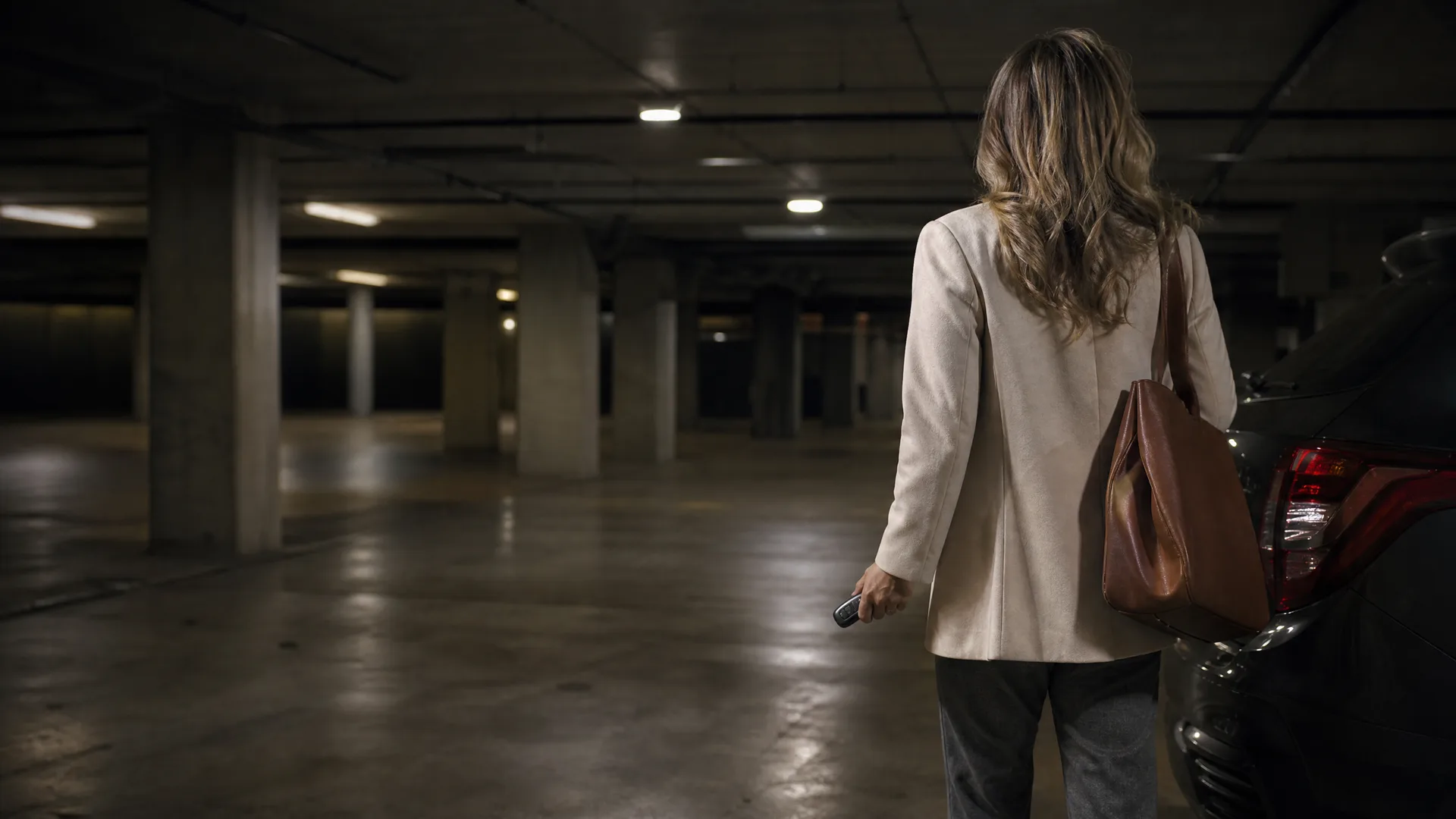
If the tag agency tells you OCIVS shows no coverage, call your carrier immediately. Ask the representative to confirm that your policy data was transmitted to Oklahoma DPS and request the transmission date. If the carrier has not transmitted yet, ask when the next batch upload runs. Most carriers can expedite a single-policy transmission if you explain you are at the tag agency and cannot register without OCIVS confirmation.
If the carrier confirms the transmission went through but OCIVS still shows no match, the problem is usually a data-entry error. Ask the carrier to verify the VIN, your full legal name as it appears on your driver license, and your license number. A single transposed character will cause OCIVS to return no match. The carrier must submit a corrected transmission; DPS does not accept corrections from drivers. Once the carrier resubmits, OCIVS typically updates within 24 hours, though some corrections take up to 72 hours to propagate through the system.
Compare Carriers That Report Quickly
Not every carrier reports to OCIVS at the same speed. Carriers with tighter system integrations transmit new-policy and mid-term-change data within hours; others batch-report once daily or even less frequently. When you are adding a second or third vehicle to your household policy and need to register it immediately, the carrier's OCIVS reporting speed matters as much as the premium. Ask the carrier how quickly they transmit policy changes to Oklahoma DPS before you bind coverage. If you need same-day registration, choose a carrier that confirms real-time or same-business-day OCIVS reporting.
How Carriers Report to OCIVS
Most carriers transmit new-policy data within 24 to 48 hours of binding coverage. A few transmit within hours; others batch-report once daily. The timing depends on the carrier's integration with OCIVS. When you add a second or third vehicle to an existing policy mid-term, the carrier is supposed to report the new VIN immediately, but some carriers treat mid-term additions as policy changes and delay the transmission until the next batch cycle. That delay is what causes the tag-agency mismatch.
OCIVS does not accept manual uploads or corrections from drivers. If your carrier reported your policy with a typo in your name, a transposed VIN digit, or the wrong driver license number, the system will not match your query at the tag agency. You cannot fix it yourself — the carrier must submit a corrected transmission to DPS. This is the single most common cause of false-uninsured flags when drivers know they bought coverage.
Get Your Free Quote
Get My Oklahoma Car Insurance QuoteFrequently Asked Questions
Does Oklahoma accept insurance cards as proof of coverage?
No. Oklahoma verifies coverage electronically through OCIVS. Your insurance card is evidence that points to the OCIVS record, but the card itself is not proof. Tag agencies and law enforcement query OCIVS directly; if your carrier has not reported your policy to DPS yet, you show uninsured regardless of what your card says.
How long does it take for my insurance to show up in OCIVS?
Most carriers transmit new-policy data to OCIVS within 24 to 48 hours of binding coverage. Some carriers report within hours; others batch-report once daily. Mid-term changes, such as adding a vehicle to an existing policy, may take longer if the carrier treats the change as a policy modification rather than a new-policy event.
What do I do if the tag agency says I'm uninsured but I have coverage?
Call your carrier immediately and ask them to confirm that your policy data was transmitted to Oklahoma DPS. Request the transmission date. If the carrier has not transmitted yet, ask when the next batch runs and whether they can expedite. If the carrier confirms transmission but OCIVS shows no match, the problem is usually a data-entry error — ask the carrier to verify your VIN, name, and license number and submit a correction.
Can I get a ticket for no insurance if my carrier hasn't reported to OCIVS yet?
Yes. Oklahoma law requires active coverage, and officers verify coverage by querying OCIVS. If OCIVS shows no match, you receive a citation even if you have a valid ID card. You can contest the citation in court by proving you had active coverage at the time of the stop, but the card alone does not prevent the ticket.
What is the penalty for driving without insurance in Oklahoma?
Driving without insurance is a misdemeanor in Oklahoma. Subsequent offenses carry higher fines and potential license suspension. If you can prove you had coverage at the time of the citation, most judges dismiss the charge, but you still spend time in court and the citation remains on your record until dismissal.
Do all carriers report to OCIVS at the same speed?
No. Carriers with tighter system integrations transmit policy data to OCIVS within hours. Others batch-report once daily or less frequently. When you are adding a vehicle and need to register it immediately, ask the carrier how quickly they transmit policy changes to Oklahoma DPS before you bind coverage.