
Full Coverage Car Insurance Cost — Oklahoma
Free to compare
What Full Coverage Means in Oklahoma
You're comparing minimum liability against full coverage because you need to know what you're actually buying and what it costs to protect the vehicles your household depends on. Oklahoma law requires $25,000 bodily injury per person, $50,000 per accident, and $25,000 property damage — but that liability-only policy pays nothing when your own car is damaged or stolen.
Full coverage is not a legal term. It's shorthand for a policy that combines the state's required liability minimums with collision coverage (pays to repair your vehicle after an accident regardless of fault) and comprehensive coverage (pays for theft, vandalism, weather damage, and animal strikes). Those two additions shift the policy from protecting others to protecting your own asset. The decision hinges on vehicle value, household budget, and whether you can afford to replace a totaled car out of pocket.
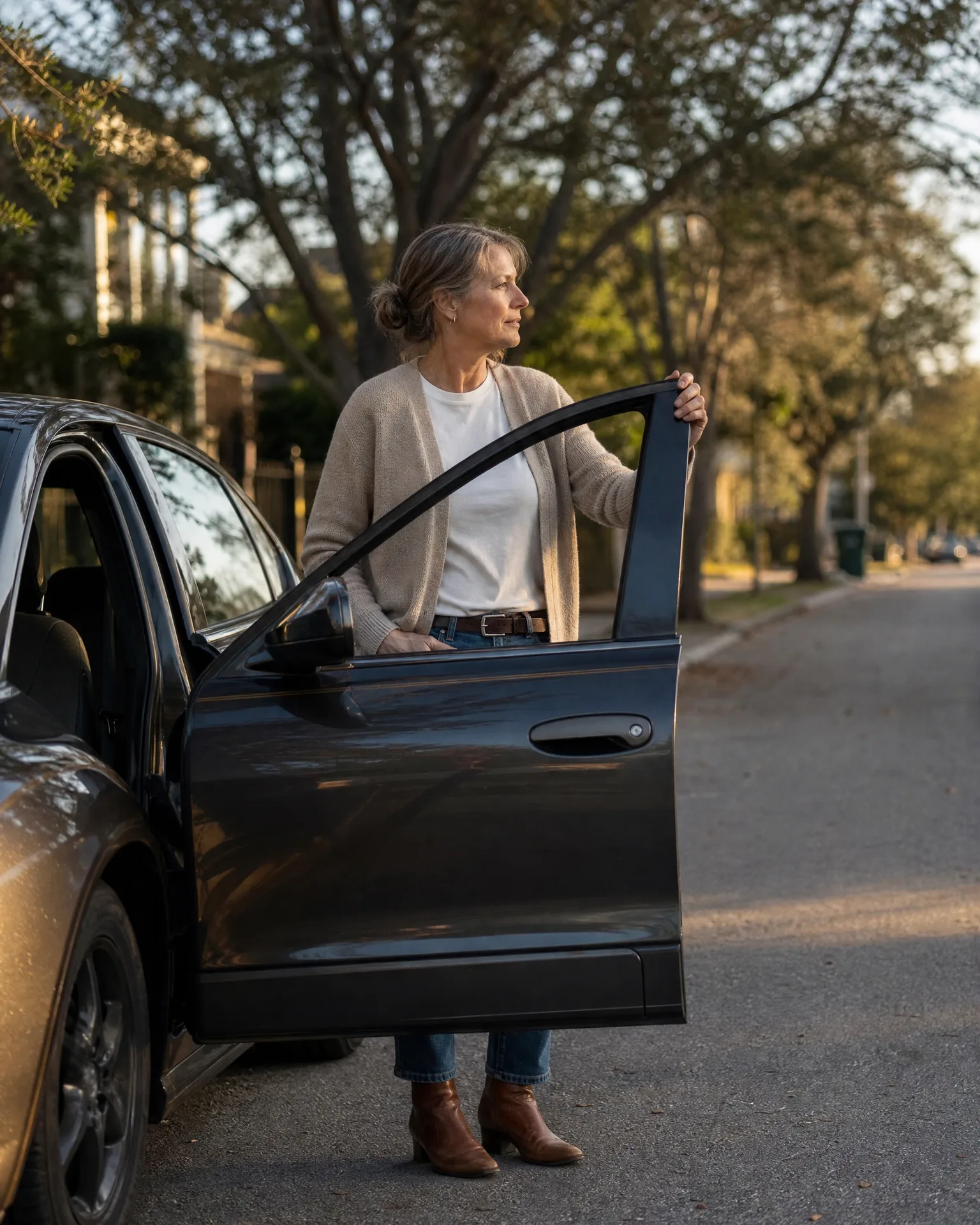
“Twelve percent of Oklahoma drivers carry no insurance — collision coverage closes the gap when an uninsured driver hits you.”
Get More Than the Oklahoma Minimum for Less
Get My Oklahoma Car Insurance Quote$947.24
Oklahoma Average Annual Auto Premium
That figure reflects all coverage levels statewide — minimum liability, full coverage, and everything in between — so your household's actual cost depends on the vehicles you insure, the coverage you choose, and the carriers you compare.
NAIC 2023 auto insurance expenditure data
Why Oklahoma's Uninsured-Motorist Rate Matters
Twelve percent of Oklahoma drivers carry no insurance at all. That's one in eight vehicles on the road. When an uninsured driver hits you, your liability coverage pays nothing for your own vehicle damage — it only covers the other party when you're at fault.
Collision coverage closes that gap. It pays to repair your car after an accident whether the other driver has insurance or not. Comprehensive covers the non-collision risks that liability ignores: a hailstorm in Moore, a deer strike on Highway 69, or a stolen vehicle in Tulsa. Together, collision and comprehensive turn a liability-only policy into full coverage.
Oklahoma does not mandate uninsured-motorist coverage, but many carriers offer it as an optional add-on. It pays your medical bills and lost wages when an uninsured driver injures you. It does not pay for vehicle damage — that's collision's job. If you carry full coverage, collision already handles the vehicle; uninsured-motorist coverage is a separate decision about injury protection.
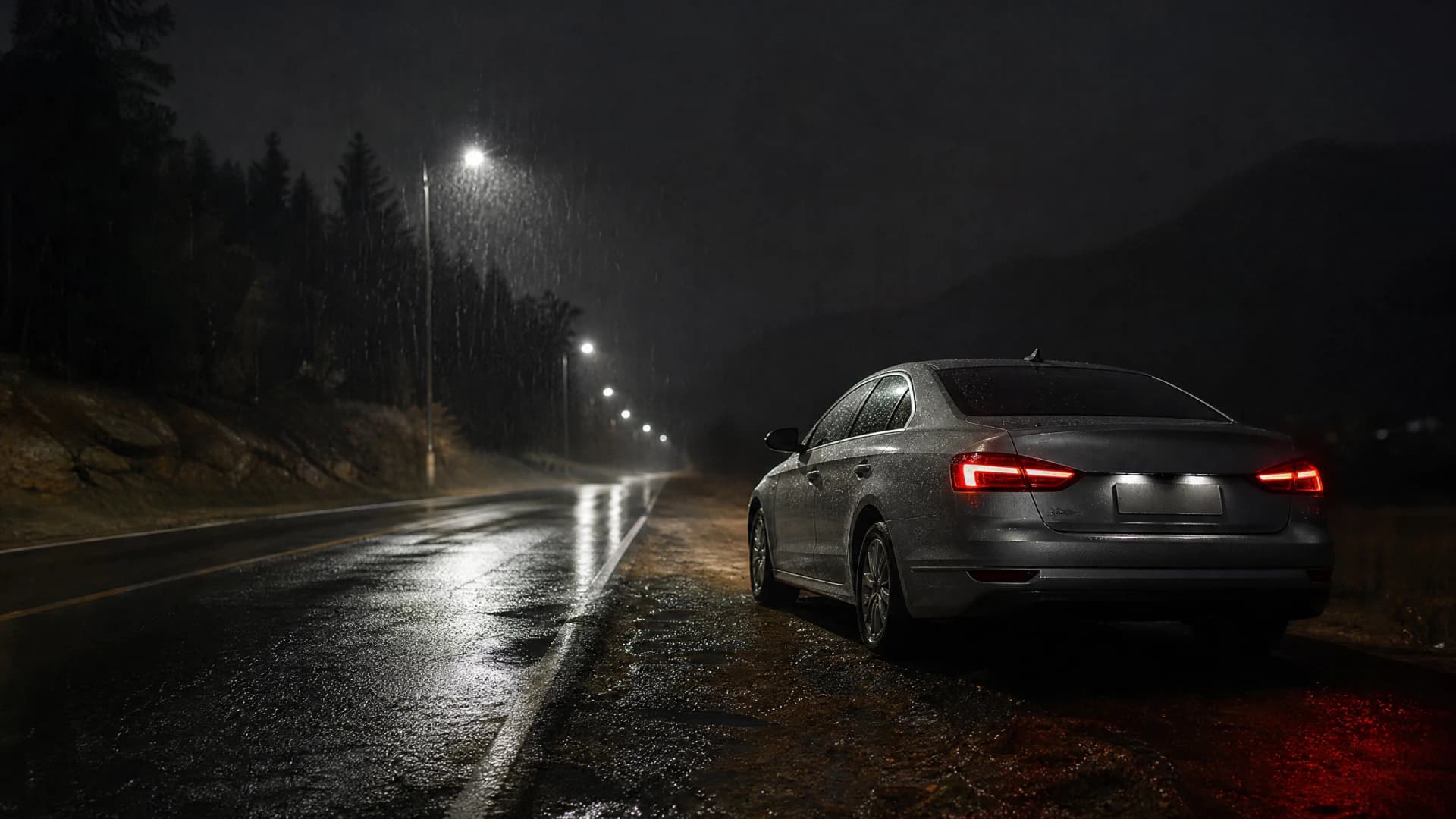
Liability-only policies leave your household exposed to the full replacement cost of any vehicle damaged by an uninsured driver or a non-collision event.




When Full Coverage Makes Sense for Your Household
The conventional threshold: if the vehicle is worth more than ten times the annual cost of collision and comprehensive combined, the coverage typically pays for itself.
Households insuring multiple vehicles face a more complex calculation. You may carry full coverage on the newer sedan your spouse drives daily and liability-only on the 2008 pickup used for weekend errands. Mixing coverage levels across vehicles on the same policy is common and often the most cost-effective structure.
Oklahoma's electronic verification system (OCIVS) tracks insurance compliance in real time, but it does not dictate coverage levels. The state requires only that you meet the 25/50/25 liability minimums. Full coverage is your decision, shaped by vehicle value, replacement budget, and risk tolerance. Carriers writing multiple vehicles in Oklahoma include Allstate, Farmers, GEICO, Mercury General, Progressive, State Farm, and The General. Compare quotes across carriers that write your household's vehicle count to find the policy structure that fits.
12%
Oklahoma Uninsured Motorist Rate
Twelve percent of Oklahoma motorists drive without insurance. That's 1 in 8 vehicles. Collision coverage protects your household from the financial impact of an accident with an uninsured driver, because liability-only policies pay nothing for your own vehicle damage when the other party cannot.
Insurance Research Council 2023 uninsured motorist data

How Lenders and Lease Companies Require Full Coverage
If you finance or lease any vehicle in your household, the lender's contract requires collision and comprehensive until the loan is satisfied. The lender is the lienholder — they own the vehicle until you pay it off — and they require coverage that protects their asset. Drop collision or comprehensive while a lien is active, and the lender will force-place coverage at a much higher cost and bill you for it.
Once the loan is paid and the title transfers to you, the lender's requirement ends. At that point you decide whether to keep full coverage, drop to liability-only, or drop only comprehensive and keep collision.
Compare Carriers Writing Multiple Vehicles in Oklahoma
Carriers price collision and comprehensive differently, and those differences compound when you insure multiple vehicles. One carrier may offer a lower base rate but a smaller multi-car discount; another may price higher per vehicle but discount more aggressively when you add a second or third car. The only way to know which structure costs less for your household is to compare quotes across carriers writing your vehicle count.
Oklahoma's carrier roster includes Allstate, Bristol West, Farmers, GAINSCO, GEICO, Mercury General, National General, Progressive, Root, State Farm, The General, and Travelers. Not every carrier writes every household configuration, and not every carrier offers the same discount structure for multiple vehicles. Request quotes from at least three carriers, specify the same coverage levels and deductibles across all quotes, and compare the total household premium — not the per-vehicle rate — to find the policy that fits your budget and protects your assets.
How Collision and Comprehensive Work
Collision pays to repair or replace your vehicle after an accident with another car, a guardrail, or any object. You choose a deductible — typically $500 or $1,000 — and the carrier pays the rest up to the vehicle's actual cash value. A $500 deductible costs more per month but leaves you with a smaller out-of-pocket bill at claim time. A $1,000 deductible lowers your monthly premium but requires you to cover the first $1,000 of every claim yourself.
Comprehensive covers everything collision does not: theft, vandalism, fire, flood, hail, falling objects, and animal strikes. It carries its own deductible, often lower than collision because comprehensive claims are typically less expensive. If you finance or lease a vehicle, the lender requires both collision and comprehensive until the loan is paid off. Once you own the vehicle outright, you decide whether the coverage cost justifies the protection based on the vehicle's current value.
Get Your Free Quote
Get My Oklahoma Car Insurance QuoteFrequently Asked Questions
What does full coverage car insurance include in Oklahoma?
Full coverage combines Oklahoma's required 25/50/25 liability minimums with collision coverage (pays for your vehicle damage after an accident) and comprehensive coverage (pays for theft, vandalism, weather damage, and animal strikes). It protects both your legal liability and your own vehicle.
Does Oklahoma require full coverage car insurance?
No. Oklahoma requires only $25,000 bodily injury per person, $50,000 per accident, and $25,000 property damage liability. Full coverage is optional unless you finance or lease a vehicle, in which case the lender requires collision and comprehensive until the loan is paid off.
How much does full coverage cost in Oklahoma?
The 2023 average annual auto insurance expenditure in Oklahoma was $947.24 per insured vehicle, covering all coverage levels statewide. Your household's actual cost depends on the vehicles you insure, the coverage levels and deductibles you choose, and the carriers you compare.
Should I carry full coverage on an older car in Oklahoma?
If the vehicle is worth less than ten times the annual cost of collision and comprehensive combined, dropping to liability-only often makes financial sense. Many households keep full coverage on newer vehicles and liability-only on older ones to balance protection and cost.
Can I mix full coverage and liability-only across multiple vehicles?
Yes. You can carry full coverage on one vehicle and liability-only on another within the same household policy. This is common for households insuring a newer daily driver and an older secondary vehicle, and it lowers the total premium while protecting the higher-value asset.
What is the difference between collision and comprehensive in Oklahoma?
Collision pays for vehicle damage after an accident with another car or object. Comprehensive pays for theft, vandalism, weather damage, and animal strikes. Each carries a separate deductible, and you can drop one without dropping the other once any lien is satisfied.
Do I need uninsured motorist coverage if I have full coverage?
Collision already pays for your vehicle damage when an uninsured driver hits you. Uninsured-motorist coverage is a separate optional add-on that pays your medical bills and lost wages when an uninsured driver injures you. It does not duplicate collision.