
Ticket Rate Impact — Oklahoma
Free to compare
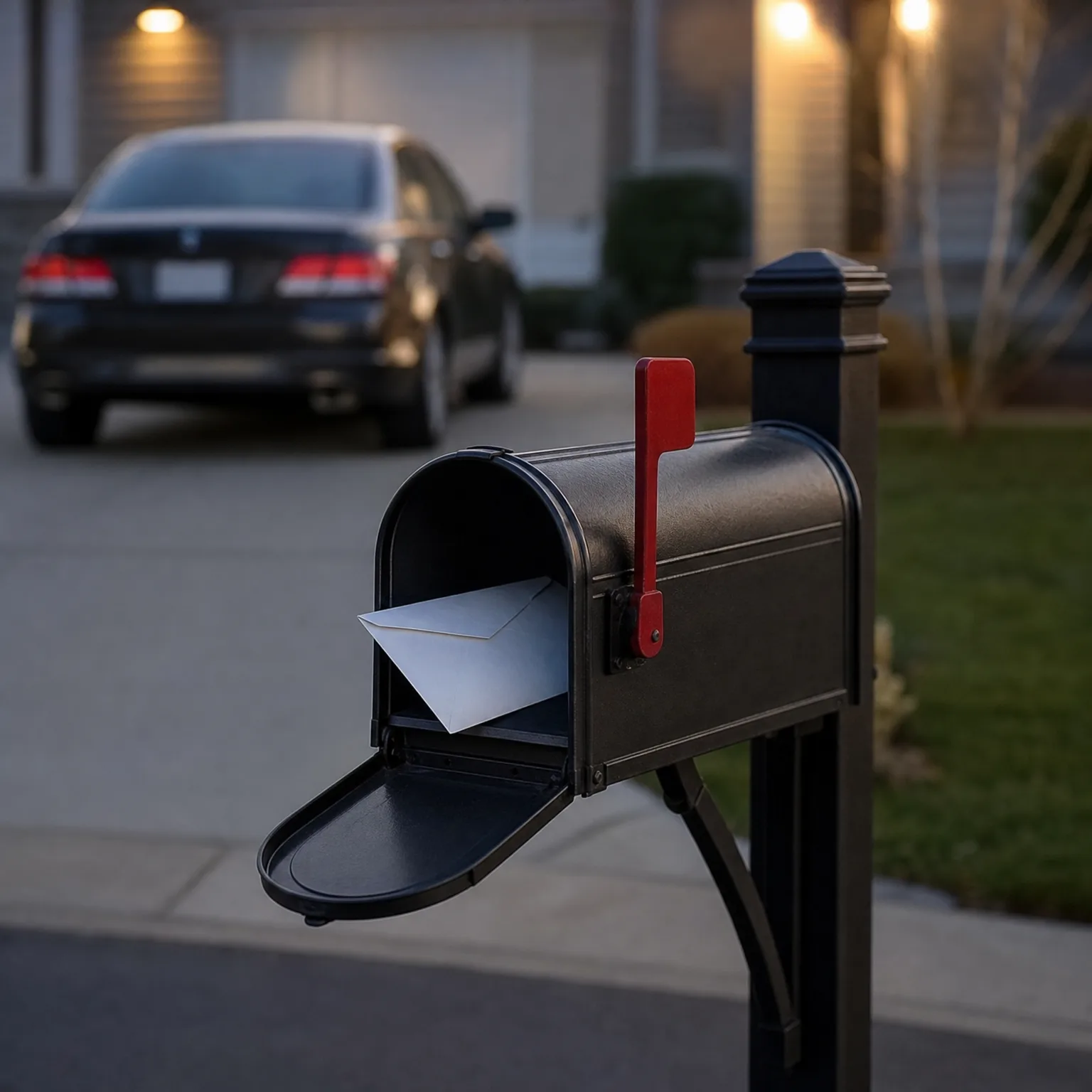
The Renewal Notice After a Ticket
You received a speeding ticket or other moving violation in Oklahoma, and your insurance carrier sent a renewal notice showing a higher premium. The increase applies to your entire multi-vehicle policy, not just the car you were driving when ticketed. Every vehicle on the policy is re-rated when the violation posts to your driving record.
Oklahoma carriers check driving records at renewal and adjust premiums based on violations from the past three to five years, depending on the carrier. A single ticket triggers a policy-wide recalculation that affects every car and every driver listed on your household policy. Understanding how this works helps you decide whether to accept the increase or compare carriers that price multi-vehicle policies differently after violations.
“The violation re-rates every vehicle on your policy at renewal, not just the car you were driving.”

Get More Than the Oklahoma Minimum for Less
Get My Oklahoma Car Insurance Quote25/50/25
Oklahoma Liability Minimums
Oklahoma requires $25,000 bodily injury per person, $50,000 per accident, and $25,000 property damage. These minimums apply to every vehicle on your policy, and violations do not change the coverage floor.
Oklahoma Department of Public Safety
How Violations Re-Rate Multi-Vehicle Policies
When a violation posts to your driving record, your carrier re-rates the entire policy at renewal. The increase is not a flat surcharge added to one vehicle. Instead, the carrier recalculates the base premium for every car on the policy using the updated risk profile that now includes the violation.
Oklahoma carriers typically look back three to five years for moving violations. A speeding ticket, failure to yield, or other moving violation stays on your record for three years from the conviction date. During that window, every renewal recalculates your premium with the violation factored into the risk model.
The multi-car discount remains in place after a violation, but the discount applies to a higher base premium. A household with three vehicles might see the per-vehicle rate increase by different amounts depending on each car's coverage level, the primary driver assigned to each vehicle, and whether the ticketed driver is listed as primary or secondary on each car.
Some carriers assign violations to the specific driver and adjust only the vehicles where that driver is listed as primary. Other carriers treat the violation as a household risk factor and adjust the premium for every vehicle regardless of driver assignment. This difference in rating methodology is why shopping carriers after a ticket often produces a lower total premium than staying with your current carrier.

The violation re-rates every vehicle on your policy at renewal, not just the car you were driving when ticketed.


When to Compare Carriers After a Ticket
Carriers price violations differently. One carrier may increase your premium by a larger percentage than another for the same violation. The difference is especially pronounced for multi-vehicle policies, where the compounding effect of re-rating every car magnifies the pricing gap between carriers.
If your renewal notice shows an increase that pushes your total premium above what you budgeted for, request quotes from at least three carriers that write multi-vehicle policies in Oklahoma. Oklahoma carriers include Geico, Progressive, State Farm, Allstate, Farmers, and others that write standard and non-standard auto policies. Some carriers specialize in multi-car households and price violations more competitively when multiple vehicles are on the policy.
Compare the total policy premium, not just the per-vehicle rate. A carrier that offers a smaller per-vehicle discount but a lower base rate after a violation may produce a lower total cost than a carrier with a larger discount applied to a higher base. The multi-car discount structure varies by carrier, and the way each carrier applies the discount after a violation affects the final number.
Request quotes before your renewal date. Most carriers allow you to bind a new policy up to 30 days before your current policy expires, which gives you time to compare without a coverage gap. If you switch carriers mid-term, your current carrier will refund the unused premium on a pro-rated basis, but some carriers charge a short-rate cancellation fee that reduces the refund.
12%
Oklahoma Uninsured Motorist Rate
Twelve percent of Oklahoma drivers are uninsured. Uninsured motorist coverage protects your household's vehicles when an at-fault driver has no insurance, and the coverage applies to every car on your policy.
Insurance Information Institute, 2023
How Long the Violation Affects Your Rate
Oklahoma carriers typically surcharge moving violations for three years from the conviction date. After three years, the violation drops off your driving record and no longer affects your premium at renewal. Some carriers extend the lookback period to five years for serious violations such as reckless driving or DUI, but standard speeding and moving violations clear after three years.
The surcharge does not decrease gradually over the three-year period. Most carriers apply the full surcharge at every renewal until the violation ages out. Once the violation is older than three years, the carrier removes it from the rating calculation at the next renewal, and your premium drops to reflect the clean record.
Compare Carriers That Write Multi-Vehicle Policies
Oklahoma households insuring multiple vehicles have options after a ticket. Carriers that specialize in multi-car policies often price violations more competitively than carriers that focus on single-vehicle households. The difference in total premium can be significant when the violation affects three or four cars on one policy.
Request quotes from carriers that write standard and non-standard auto policies in Oklahoma. Some carriers move policyholders to a non-standard tier after a violation but keep the multi-car discount in place. Others maintain the standard tier and apply a smaller surcharge. Comparing both approaches shows you which carrier structure produces the lowest total cost for your household.
What Carriers Check at Renewal
Most carriers check driving records 30 to 45 days before your renewal date. If your ticket was issued recently but has not yet posted to your Oklahoma driving record, the carrier may not see it at the current renewal. The violation will appear at the next renewal after it posts. Oklahoma courts report convictions to the Department of Public Safety within 10 days of the conviction date, and the violation typically appears on your record within two to four weeks after that.
Some carriers check records more frequently for policies with recent claims or violations. If you have multiple tickets or a recent at-fault accident, your carrier may pull your record mid-term rather than waiting for renewal. This is less common for a single minor violation, but it happens when the carrier's risk model flags the policy for review.
Get Your Free Quote
Get My Oklahoma Car Insurance QuoteFrequently Asked Questions
Does a speeding ticket affect all cars on my Oklahoma policy?
Yes. When a violation posts to your driving record, your carrier re-rates the entire multi-vehicle policy at renewal. The increase is not limited to the car you were driving when ticketed. Every vehicle on the policy is recalculated using the updated risk profile that includes the violation.
How long does a ticket affect my insurance rate in Oklahoma?
Oklahoma carriers typically surcharge moving violations for three years from the conviction date. After three years, the violation drops off your driving record and no longer affects your premium at renewal. The surcharge applies at every renewal during the three-year period.
Can I switch carriers after a ticket to lower my premium?
Yes. Carriers price violations differently, and the difference is especially pronounced for multi-vehicle policies. Request quotes from at least three carriers that write multi-car policies in Oklahoma. Compare the total policy premium, not just the per-vehicle rate, to find the lowest cost.
Will my multi-car discount go away after a ticket?
No. The multi-car discount remains in place after a violation, but it applies to a higher base premium. The violation increases the base rate for every vehicle on the policy, and the discount is calculated from that higher base.
When does a ticket show up on my Oklahoma driving record?
Oklahoma courts report convictions to the Department of Public Safety within 10 days of the conviction date. The violation typically appears on your record within two to four weeks after that. Carriers check driving records 30 to 45 days before renewal, so a recent ticket may not affect your current renewal if it has not yet posted.
Do all Oklahoma carriers increase rates the same amount after a ticket?
No. Carriers price violations differently. One carrier may increase your premium by a larger percentage than another for the same violation. The difference is magnified for multi-vehicle policies, where the violation re-rates every car on the policy.